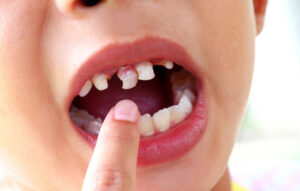
A dental problem rarely picks a convenient time. It can strike on a Sunday night, in the middle of a work week, or right before a family trip. Many people ignore the warning signs and hope the pain will fade. Unfortunately, dental problems almost never fix themselves. They usually get worse, more painful, and more expensive.
So how do you know when it is time to see an emergency dentist instead of waiting for a routine visit? This guide covers the seven clearest warning signs, what you should do at home while you wait, and when a situation is serious enough to go to the hospital. If you live in Avon, Avon Lake, North Ridgeville, Westlake, or nearby Ohio communities, the team at Buckeye Dental & Braces is here to help when you need it most.
What Is a Dental Emergency?
A dental emergency is any oral problem that involves severe pain, uncontrolled bleeding, infection, or damage that could cost you a tooth. In simple terms, if the problem is painful, sudden, or getting worse quickly, it deserves professional attention. An emergency dentist can treat these problems quickly, relieve your pain, and protect your long-term oral health.
Not every dental issue is an emergency. A small chip with no pain or mild sensitivity to cold can usually wait a few days. But the seven signs below should never be ignored.
7 Signs You Need an Emergency Dentist
1. Severe or Persistent Toothache
A mild ache that comes and goes is one thing. Pain that is intense, throbbing, or lasts more than a day is another. Severe toothache often points to deep decay, a cracked tooth, or an infected nerve. If the pain keeps you awake at night, makes it hard to chew, or does not improve with over-the-counter pain relievers, it is time to call an emergency dentist.
Waiting can allow bacteria to spread into the root and surrounding bone. What might have been a simple filling can turn into a root canal or extraction. Early care almost always means simpler, more affordable treatment.
2. A Knocked-Out or Loose Adult Tooth
This is one of the most time-sensitive dental emergencies. If an adult tooth is knocked out, you have roughly 30 to 60 minutes for the best chance of saving it. Pick the tooth up by the crown (the chewing surface), never by the root. Gently rinse it with water without scrubbing, and try to place it back in the socket. If you cannot, store it in a small container of milk and head straight to an emergency dentist.
A tooth that has become loose after an injury also needs urgent attention. Your dentist may be able to stabilize it and allow it to heal back into place.
3. A Cracked, Broken, or Chipped Tooth
Teeth can crack from a sports injury, a fall, or biting down on something hard. A crack can be sharp, painful, and difficult to see. Even if the pain is not severe, a deep crack can let bacteria reach the inside of the tooth. Rinse your mouth with warm water, apply a cold compress to reduce swelling, and save any broken pieces.
Depending on the damage, treatment may include bonding, a crown, or a root canal. If the look of your smile is also a concern, cosmetic dentistry options can restore both function and appearance after the emergency is under control.
In pain right now? Do not wait for it to get worse. Book an appointment online with our team and let us help you get relief fast.
4. Facial Swelling, an Abscess, or a Pimple-Like Bump on the Gums
Swelling in your cheek, jaw, or gums is a red flag. A small, pimple-like bump on the gum may signal a dental abscess, which is a pocket of pus caused by a bacterial infection. Other symptoms include a bad taste in the mouth, a foul odor, tender lymph nodes, and pain when chewing.
An abscess will not go away on its own, even if the pain suddenly stops. A sudden end to the pain can actually mean the nerve has died while the infection is still spreading. Treatment usually involves draining the infection, prescribing antibiotics when needed, and treating the source of the problem. See an emergency dentist as soon as you notice these signs.
5. Bleeding That Will Not Stop
Light gum bleeding while brushing is common and often linked to gum disease. But heavy bleeding after an injury, an extraction, or a cut to your tongue, lip, or cheek is different. If bleeding continues after 10 to 15 minutes of firm pressure with clean gauze, contact an emergency dentist right away. If the bleeding is heavy and does not slow down, go to the emergency room.
6. A Lost Filling or Crown, or a Broken Braces Wire
A lost filling or crown exposes sensitive tooth structure. You may feel sharp pain when eating or drinking, and the tooth becomes more likely to decay or fracture. If a crown falls off, keep it safe and bring it with you. Do not use household glue to fix it. A temporary dental cement from a pharmacy can help protect the tooth until your visit.
Braces patients can also face emergencies. A poking wire, a broken bracket, or a loose band can cut your cheeks and tongue. Cover the sharp end with orthodontic wax and call your provider. Our team also offers family dentistry care for patients of all ages, so parents and kids can get help under one roof.
7. Fever, Trouble Swallowing, or Trouble Breathing With Dental Pain
This is the most serious sign. When a dental infection spreads, it can cause fever, swollen glands, difficulty opening your mouth, trouble swallowing, or even trouble breathing. These are signs that the infection may be moving into the deeper tissues of the face and neck. Go to the nearest emergency room or call 911 immediately, then follow up with your dentist for treatment of the underlying problem.
Emergency Dentist or Emergency Room?
Many people are unsure where to go. Use this quick guide to decide.
| Situation | Where to Go | Why |
| Knocked-out tooth, broken tooth, severe toothache, abscess | Emergency dentist (same day) | Fast treatment can save the tooth and stop infection |
| Lost filling or crown, broken braces wire | Emergency dentist (same day or next day) | Prevents further damage and mouth irritation |
| Facial swelling with trouble breathing or swallowing | Emergency room (call 911) | Possible airway risk; then follow up with your dentist |
| Heavy bleeding that will not stop, jaw fracture | Emergency room (call 911) | Life-threatening injuries need hospital care first |
What to Do While You Wait for Your Emergency Dentist
The steps you take before you arrive can make a real difference. Here is what we recommend:
- Rinse gently: Use warm water or a mild salt-water solution to clean the area.
- Use a cold compress: Hold it against your cheek for 15 minutes at a time to reduce swelling and pain.
- Take pain relief carefully: Use over-the-counter medication as directed. Never place aspirin directly on the gums, because it can burn the tissue.
- Save everything: Keep broken tooth pieces, crowns, or a knocked-out tooth safe and bring them with you.
- Avoid hard or hot foods: Stick to soft, lukewarm foods and chew on the opposite side.
- Call ahead: Let the office know your symptoms so the team can prepare. You can contact our office by phone or through our website.
How to Lower Your Risk of a Dental Emergency
Not every accident can be prevented, but many dental emergencies begin as small problems that were left untreated. You can lower your risk by brushing twice a day, flossing daily, and scheduling regular checkups and cleanings. Wear a mouthguard during sports, and avoid chewing ice, hard candy, or using your teeth to open packages.
Regular visits allow your dentist to spot cavities, cracks, and gum disease before they turn painful. If you are looking for preventive care and a wide range of treatments in one place, explore our full list of dentist services.
Why Choose Buckeye Dental & Braces as Your Emergency Dentist?
When you are in pain, you want a team that is gentle, fast, and honest. Buckeye Dental & Braces serves families across Northeast Ohio with modern technology, clear communication, and a caring approach. Our goal is to relieve your pain first, explain your options clearly, and help you protect your smile for the long term.
- Prompt care: We understand that emergencies cannot wait, and we work to see patients as quickly as possible.
- Full-service dentistry: From fillings and crowns to braces and cosmetic care, many treatments are available in one office.
- Family friendly: We welcome children, teens, and adults, so the whole family can see the same trusted team.
- Convenient locations: Find the office closest to you on our locations page.
- Affordable options: Check our current dental specials to save on care.
Need an emergency dentist today? Call Buckeye Dental & Braces now or visit our website to get started. Our friendly team is ready to help you feel better.
Frequently Asked Questions About Emergency Dentists
How do I know if I need an emergency dentist?
You need an emergency dentist if you have severe pain, swelling, a knocked-out tooth, a cracked tooth, an abscess, or bleeding that does not stop. When in doubt, call your dentist and describe your symptoms. It is always better to check than to wait.
Can a toothache wait until morning?
A mild toothache can sometimes wait. However, if the pain is severe, you have swelling, or you have a fever, do not wait. Infections can spread quickly, and early treatment prevents complications.
How much does an emergency dentist visit cost?
The cost depends on the problem and the treatment needed. An exam and X-ray to find the cause is usually the first step. Your dentist can explain the cost before treatment begins, and many offices accept insurance and offer payment options.
Should I go to the ER or an emergency dentist for tooth pain?
For most tooth problems, an emergency dentist is the better choice because they can treat the actual cause. Go to the ER if you have trouble breathing or swallowing, severe facial swelling, a suspected broken jaw, or bleeding you cannot control.
What if my child has a dental emergency?
Stay calm and call your dentist right away. For a knocked-out baby tooth, do not put it back in the socket, but do have your child checked. For a knocked-out permanent tooth, follow the steps above and get to the dentist quickly.
Final Thoughts
Your teeth are meant to last a lifetime, and quick action during an emergency can be the difference between saving a tooth and losing it. Severe pain, swelling, a broken tooth, uncontrolled bleeding, or a fever should never be ignored. If you notice any of these seven signs, contact an emergency dentist right away.
Ready for relief? Contact Buckeye Dental & Braces today and take the first step toward a healthy, pain-free smile.