Bleeding Gums: What Your Mouth Is Trying to Tell You
Seeing blood while brushing or flossing can be unsettling. Many people assume it’s normal or caused by brushing too hard. While that can be true in some cases, bleeding gums are most often a warning sign of inflammation or infection. The gums are living tissue with a rich blood supply, and when they bleed easily, it means something underneath needs attention.
Healthy gums should be firm, pink, and pain-free. If bleeding becomes frequent, it signals that bacteria may be damaging the tissue that protects your teeth and jawbone. At Buckeye Dental & Braces, many patients first notice a change when brushing becomes uncomfortable or when bleeding doesn’t stop after a few days.
The Most Common Reasons Gums Start Bleeding
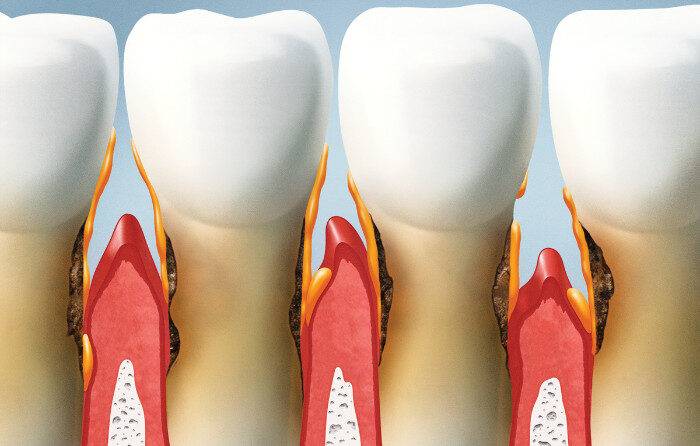
The most common cause is plaque buildup along the gumline. Plaque is a sticky layer of bacteria that forms every day. When it is not removed, it hardens into tartar and irritates the gums, leading to swelling, redness, and bleeding. This early stage of infection is called gingivitis, and it is fully reversible with proper care.
Another frequent cause is brushing too aggressively. Using a hard-bristled toothbrush or scrubbing with force can injure delicate gum tissue. Over time, this also wears down enamel and exposes sensitive tooth roots.
People who recently started flossing again may notice bleeding for a few days. This happens because inflamed gums are weaker, but consistent flossing usually strengthens them quickly.
Other important contributors include:
- Vitamin C deficiency, which weakens gum tissue
- Vitamin K deficiency, which affects clotting
- Hormonal changes during pregnancy or puberty
- Blood-thinning medications
- Smoking and tobacco use, which slow healing
In more serious cases, untreated gingivitis can progress into periodontitis, a deeper infection that can damage bone and lead to tooth loss.
When Bleeding Gums Become a Serious Health Concern
Bleeding that continues for weeks is not normal. It can signal advanced gum disease, which doesn’t just affect the mouth. Scientific studies link gum infection to:
- Heart disease
- Diabetes complications
- Stroke risk
- Respiratory infections
This happens because oral bacteria can enter the bloodstream through infected gums. That’s why dentists often say the mouth is a window into overall health.
Read it also:- Detroit Mercy Dental Clinic Offers Expert Cleanings and Checkups
Professional Care That Actually Stops the Bleeding
In early cases, a professional dental cleaning is often enough to remove hardened tartar and allow the gums to heal naturally. Many patients notice less bleeding within just a few days.
If infection has spread deeper below the gumline, scaling and root planing may be recommended. This deeper cleaning removes bacteria trapped beneath the gums and smooths the tooth roots to help gum tissue reattach.
The key advantage of professional care is that it targets the source of infection, not just the surface symptoms.
Daily Habits That Strengthen Gums and Prevent Bleeding
Healing doesn’t stop at the dental office. Daily home care is the foundation of long-term gum health.
Here are habits that truly make a difference:
- Brush twice daily using a soft-bristled toothbrush
- Floss once every day to remove bacteria between teeth
- Use an alcohol-free antibacterial mouth rinse
- Drink enough water to support healthy saliva flow
- Eat foods rich in vitamin C and antioxidants
- Avoid all forms of tobacco
- Keep consistent dental visits
These habits not only stop bleeding but also help prevent cavities, bad breath, and gum recession.
How Long Healing Takes

Mild gum inflammation often improves within 7 to 14 days of improved care. After professional cleaning, many patients notice improvement almost immediately.
Moderate infection may take several weeks to fully stabilize. Advanced cases require ongoing care and maintenance appointments. The most important factor in recovery is consistency.
A Quiet Step That Protects Your Smile
Many people silently deal with bleeding gums for months because they don’t feel pain. The reality is that early action is always simpler, faster, and more affordable than delayed treatment. A quiet dental checkup often reveals exactly what’s happening beneath the surface and how to stop it before permanent damage occurs.
Frequently Asked Questions About Bleeding Gums
1. Why do my gums bleed even when I brush gently?
Bleeding can happen due to plaque buildup below the gumline, early gum infection, vitamin deficiencies, or medical conditions that affect healing and blood flow.
2. Can bleeding gums heal without professional treatment?
Mild cases may improve with proper brushing and flossing, but moderate to advanced gum problems usually need professional cleaning to fully heal.
3. Does bad breath always mean I have gum disease?
Not always, but long-lasting bad breath along with bleeding is often linked to bacteria trapped under the gums and should be checked.
4. Are bleeding gums linked to weak immunity?
Yes. A weak immune system makes it harder for the body to fight gum infections, increasing the risk of bleeding and inflammation.
5. Can diet really affect gum bleeding?
Yes. Low intake of vitamin C, iron, and antioxidants can weaken gum tissue and make bleeding more likely.
Read it also:– Kids Dentist Office Tips for Preventing Cavities and Gum Issues
Helping More Smiles Through Online Awareness
Gum health education is often shared across LinkedIn, Facebook, Twitter, and Instagram to help more people recognize early warning signs. Short educational posts, preventive tips, and patient awareness updates can encourage better daily habits and earlier dental visits.
Simple information shared at the right time can prevent serious problems later.
Bleeding gums are not something to ignore. They often signal an early stage of infection that can be reversed with timely care and consistent daily habits. When treated early, the gums can return to a healthy, firm state, protecting your teeth and your overall well-being.
Many patients begin their journey toward healthier gums simply by seeking clarity and choosing to act before discomfort or tooth damage occurs.
Take the First Step Toward Healthier Gums
Healthy gums are essential for strong teeth and overall oral wellness. Scheduling a consultation allows a dental professional to assess your gums, answer your questions, and guide you toward effective preventive or corrective care.