Your teeth are meant to last a lifetime. Yet many people only visit the dentist when something feels wrong. A mild toothache, bleeding gums, or sudden sensitivity often becomes the reason for booking an appointment. The problem is that most dental conditions begin quietly. By the time symptoms appear, the issue may already be advanced and may require treatment beyond simple preventive care offered through our preventative dentistry services.
This is why Dental Checkups are not just routine appointments—they are a key part of protecting your long-term health and part of complete care available at Buckeye Dental & Braces. Preventive dental care helps you avoid pain, reduce costs, and maintain confidence in your smile. If you’ve ever wondered whether regular visits are truly necessary, this guide explains why they matter more than you think.
What Happens During Regular Dental Checkups?
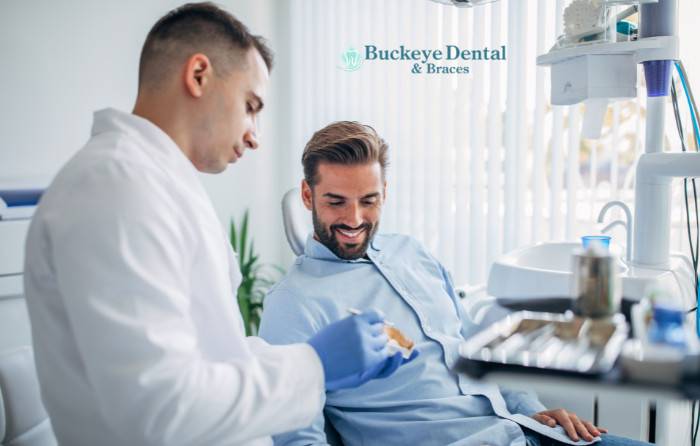
A dental visit is more than just cleaning your teeth. It is a structured preventive process designed to monitor your oral health closely and is an essential part of our dentist services.
A typical appointment includes:
- Reviewing your medical and dental history
- Examining teeth for cavities, cracks, or damage
- Checking gums for signs of inflammation or infection
- Screening for oral cancer
- Professional cleaning to remove plaque and tartar
- Taking X-rays if needed
Each step plays an important role in maintaining oral health for patients of all ages through our family dentistry approach. Plaque is a soft, sticky film of bacteria that builds up on teeth daily. If not removed, it hardens into tartar (also called calculus), which cannot be removed with brushing alone. Tartar buildup increases the risk of gum disease and long-term complications.
Regular Dental Checkups ensure these problems are addressed early before they require advanced procedures.
Why Small Problems Become Big Problems
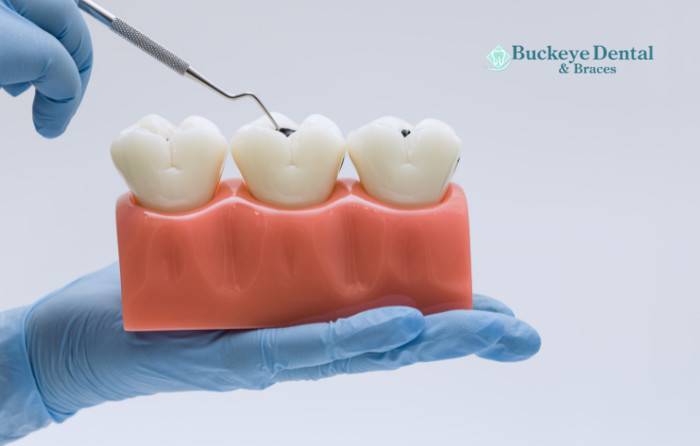
Dental decay does not happen overnight. A cavity begins when bacteria produce acid that weakens enamel. Enamel is the hard outer layer of your tooth that protects it from daily wear and chewing pressure. In the early stage, you may not feel anything.
If untreated, the decay spreads deeper into the dentin (the softer layer beneath enamel). Eventually, it can reach the pulp, where nerves and blood vessels are located. This stage often causes severe pain and may require a root canal or restorative treatment available through our full range of dental services.
Early detection during Dental Checkups can stop decay before it becomes painful or expensive.
Gum Health: The Foundation of a Healthy Smile
Healthy gums hold your teeth securely in place and are a major focus of preventive care. When plaque builds up along the gumline, it can cause gingivitis. Gingivitis is mild gum inflammation that may cause redness, swelling, or bleeding while brushing.
If gingivitis is ignored, it can progress to periodontitis. Periodontitis is a more serious infection that damages the bone supporting the teeth. In advanced stages, teeth may loosen or fall out, sometimes requiring restorative or cosmetic solutions available in our cosmetic dentistry services.
The early stages of gum disease are often painless. That is why preventive monitoring is so important.
The Connection Between Oral Health and Overall Health
Your mouth is not separate from the rest of your body. Oral bacteria can enter the bloodstream through inflamed gums. Studies have shown links between gum disease and systemic conditions such as:
- Heart disease
- Stroke
- Diabetes complications
- Respiratory infections
People with diabetes, for example, may experience more severe gum infections due to changes in blood sugar levels. Inflammation in the mouth can also make blood sugar harder to control, which is why routine care matters.
Regular dental visits help manage these risks by reducing bacterial buildup and inflammation.
Read it also:- Planning Your First Dental Checkup of 2026: What to Know
The Role of Oral Cancer Screening
Oral cancer can develop on the tongue, cheeks, throat, or lips. Early stages may appear as small sores or white or red patches. Many people overlook these signs between visits.
During your visit, your dentist checks for abnormal tissue changes as part of preventive care. Early detection significantly improves treatment outcomes. This simple screening is one of the most important parts of preventive care and is included in routine Dental Checkups.
How Often Should You Schedule a Visit?
Most individuals benefit from appointments every six months. However, some patients may require more frequent monitoring, especially if they have:
- A history of gum disease
- Frequent cavities
- Orthodontic appliances such as braces
- Smoking habits
- Chronic health conditions
Your dentist evaluates your personal risk factors and recommends a schedule suited to your needs and oral health history.
Benefits Beyond Clean Teeth
While a brighter smile is a benefit, preventive care offers much more:
- Reduced risk of tooth loss
- Lower long-term treatment costs
- Early identification of bite issues
- Prevention of bad breath
- Improved chewing comfort
Attending Dental Checkups regularly creates a protective cycle of prevention and monitoring that supports long-term dental stability.
Addressing Common Concerns
I Brush and Floss Every Day. Isn’t That Enough?
Home care is essential, but it cannot remove hardened tartar. Professional tools are needed to clean below the gumline and between tight spaces as part of professional preventive services.
Are Dental X-rays Necessary?
X-rays help detect hidden problems such as bone loss, impacted teeth, or decay between teeth. Modern digital X-rays use very low radiation levels and are considered safe and effective.
What If I Feel Anxious About Visiting?
Dental anxiety is common. Communicating your concerns helps your dental team create a more comfortable experience. Many clinics use gentle techniques and explain procedures clearly to ease fear and build trust.
Children and Preventive Dentistry
Establishing good dental habits early builds confidence and reduces future problems. Children benefit from regular monitoring as their teeth grow and develop under professional supervision.
Early visits help:
- Detect alignment concerns
- Prevent early cavities
- Encourage proper brushing habits
- Reduce dental fear
Parents often ask when their child should first visit the dentist. The general recommendation is within six months after the first tooth appears or by the first birthday.
Adults and Aging Teeth
As we age, enamel naturally wears down. Receding gums may expose tooth roots, leading to sensitivity. Older adults may also experience dry mouth, which increases cavity risk.
Consistent Dental Checkups allow dentists to monitor these age-related changes and recommend preventive measures to protect natural teeth longer.
Financial Advantages of Prevention
Emergency dental care is often more expensive than routine maintenance. Treating advanced decay, infections, or tooth loss may involve multiple procedures.
Preventive visits help avoid:
- Root canal therapy
- Dental crowns
- Tooth extractions
- Implants or bridges
Investing in routine care can significantly reduce long-term expenses and unexpected dental emergencies.
The Importance of Bite and Jaw Evaluation
Your dentist also checks how your upper and lower teeth fit together. Misalignment can lead to uneven wear, jaw discomfort, or headaches over time.
Temporomandibular joint disorder (TMJ disorder) affects the jaw joint and may cause clicking sounds or pain. Early evaluation helps prevent worsening symptoms and chronic discomfort.
How to Maintain Results Between Visits
Professional care works best when supported by daily habits. Follow these guidelines:
- Brush twice daily using fluoride toothpaste
- Floss once daily
- Replace your toothbrush every three months
- Limit sugary snacks and drinks
- Drink water throughout the day
Fluoride strengthens enamel and helps protect against cavities. Simple daily routines reinforce the benefits gained during appointments and preventive visits.
Frequently Asked Questions
How long does a checkup take?
Most visits last between 45 minutes and one hour.
Can gum disease be reversed?
Gingivitis can often be reversed with proper cleaning and home care. Advanced gum disease requires professional treatment and ongoing monitoring.
Is preventive care safe during pregnancy?
Yes. Hormonal changes during pregnancy may increase gum sensitivity, making professional monitoring important.
What if I skipped visits for years?
It is never too late to restart. Your dentist will assess your current condition and create a step-by-step plan that restores oral stability.
Do regular visits really make a difference?
Yes. Studies show that consistent preventive care reduces the risk of major dental complications and supports long-term oral health.
Why Patients Trust Buckeye Dental & Braces
At Buckeye Dental & Braces, preventive care is the foundation of long-term oral health. Each visit is designed to provide clarity, comfort, and practical guidance for patients across all age groups.
The focus is not only on treating issues but on helping patients understand how to avoid them. Education, transparency, and consistent monitoring create a supportive environment for families and individuals alike.
Read it also:- Affordable Family Dentistry Services For All Ages
Take Control of Your Oral Health Today
Your smile impacts your health, confidence, and daily comfort. Small steps today can prevent serious problems tomorrow. Waiting for pain is rarely the best strategy.
If it has been several months since your last appointment, consider making preventive care a priority. Scheduling routine Dental Checkups is one of the simplest ways to protect your long-term health.
A healthier smile starts with a single decision. Connect with Buckeye Dental & Braces to plan your next visit, explore available appointment options, or use the convenient online booking system to take an important step toward lasting oral wellness.