Smoking and vaping are often discussed in relation to lung health, but many people search online asking: Does smoking damage teeth? Is vaping safer for gums? Why are my gums bleeding after I started vaping?
These are important questions. Your mouth is the first place tobacco smoke or vapor touches. Over time, the chemicals in cigarettes and e-cigarettes can seriously harm your teeth, gums, and overall oral health.
At Buckeye Dental & Braces, we regularly see how tobacco and vaping habits impact patients of all ages. Through proper Family Dentistry, early prevention, and consistent care, much of this damage can be reduced or managed.
This guide explains clearly and simply what smoking and vaping do to your mouth, why it happens, and what you can do to protect your smile.
How Smoking Affects Your Teeth and Gums
Traditional cigarettes contain thousands of chemicals. Many of them directly damage oral tissues.
Tooth Staining and Discoloration
Nicotine and tar are two major substances in cigarettes.
- Nicotine is colorless at first but turns yellow when exposed to oxygen.
- Tar is naturally dark and sticky.
Together, they cling to tooth enamel (the hard outer layer of your teeth), causing yellow or brown stains. These stains often cannot be removed by brushing alone.
Over time, heavy smokers may notice:
- Deep discoloration
- Dark patches near the gumline
- Persistent bad breath
Professional cleaning and Cosmetic Dentistry treatments can improve the appearance, but stopping smoking is essential to prevent further staining.
Gum Disease (Periodontal Disease)
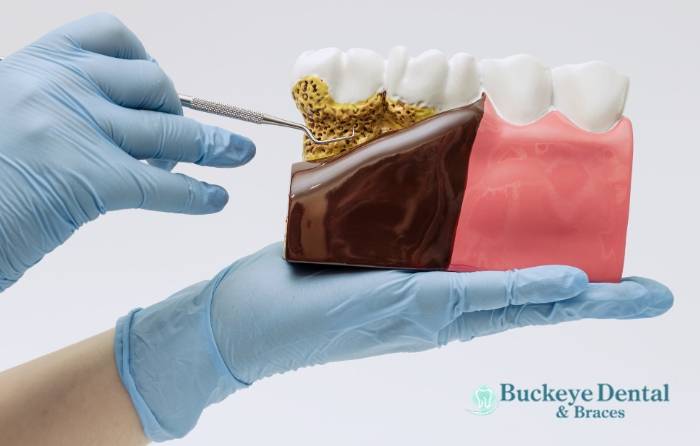
One of the most serious effects of smoking is gum disease.
Periodontal disease is an infection of the tissues that support your teeth. It starts with gingivitis (early gum inflammation) and can progress to bone loss and tooth loss.
Smoking increases the risk because it:
- Reduces blood flow to the gums
- Weakens the immune system
- Slows healing
- Makes it harder for the body to fight infection
Smokers are up to twice as likely to develop advanced gum disease compared to non-smokers.
Receding Gums and Tooth Loss
When gum disease progresses, the gums begin to pull away from the teeth. This is called gum recession.
Recession exposes tooth roots, making teeth sensitive and more likely to decay. If untreated, the supporting bone can shrink, leading to loose teeth and eventual tooth loss.
Regular visits under Preventative dentistry care help detect early signs before permanent damage occurs.
Delayed Healing After Dental Treatment
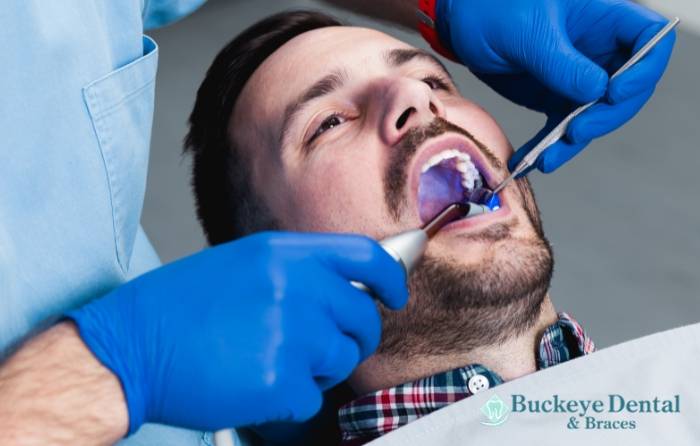
If you’ve ever had a tooth extraction, implant, or deep cleaning, smoking can interfere with recovery.
Nicotine narrows blood vessels, reducing oxygen supply to healing tissues. This increases the risk of:
- Dry socket after tooth extraction
- Infection
- Implant failure
- Slow gum healing
That’s why dentists strongly recommend avoiding smoking before and after procedures. You can review available treatments under dentist services.
How Vaping Affects Your Teeth and Gums
Many people believe vaping is harmless for oral health. While e-cigarettes do not contain tar like traditional cigarettes, they still expose the mouth to harmful substances.
Nicotine Still Damages Gums
Most vape liquids contain nicotine. As explained earlier, nicotine:
- Restricts blood flow
- Reduces oxygen to gum tissue
- Weakens immune response
This means vaping can still increase the risk of gum disease.
Read more: Why Regular Dental Checkups Matter More Than You Think
Dry Mouth and Bacteria Growth
Vaping can cause dry mouth, also called xerostomia.
Saliva plays a crucial role in protecting teeth. It helps:
- Wash away food particles
- Neutralize acids
- Control bacteria
When saliva production decreases, bacteria grow more easily. This increases the risk of cavities, bad breath, and gum inflammation. Routine cleanings through Preventative dentistry are especially important for patients who vape.
Increased Plaque and Inflammation
Studies suggest that vaping may change the balance of bacteria in the mouth. Some research shows higher levels of harmful bacteria in vape users compared to non-smokers.
This can lead to:
- Red, swollen gums
- Bleeding while brushing
- Faster plaque buildup
Plaque is a sticky film of bacteria that forms on teeth. If not removed, it hardens into tartar, which requires professional cleaning.
Smoking, Vaping, and Braces: What You Should Know
Patients often ask, Can I smoke or vape with braces?
The short answer: it significantly increases risk.
Braces create small spaces where plaque can accumulate. When combined with smoking or vaping:
- Staining becomes more noticeable
- White spots may appear around brackets
- Gum swelling becomes more severe
- Treatment time may increase
Patients currently undergoing braces treatment should be especially careful about tobacco use.
Long-Term Oral Health Risks
Oral Cancer
Smoking is one of the leading risk factors for oral cancer.
Oral cancer can affect:
- Tongue
- Gums
- Lips
- Cheeks
- Roof and floor of the mouth
Routine screenings are included during regular Family Dentistry visits.
Bone Loss in the Jaw
Smoking weakens the bone that supports teeth. When bone density decreases:
- Teeth loosen
- Dentures may not fit properly
- Dental implants are more likely to fail
Early detection through regular dental exams helps manage this risk.
Preventing Damage: What You Can Do
If you smoke or vape, here are practical steps to protect your oral health:
- Brush twice daily with fluoride toothpaste
- Floss every day to remove plaque between teeth
- Use an antibacterial mouthwash
- Schedule professional cleanings at least twice a year
- Consider quitting tobacco or nicotine use
- Inform your dentist about your habits honestly
You can complete paperwork in advance through patient forms before your visit.
When to See a Dentist
You should schedule an appointment if you notice:
- Persistent bad breath
- Bleeding gums
- Gum recession
- Loose teeth
- Mouth sores that don’t heal
- Tooth sensitivity
Book directly through the online appointment page or reach out via the contact page.
A Healthier Smile Starts With the Right Support
Smoking and vaping affect more than just appearance. They increase the risk of gum disease, tooth loss, infection, delayed healing, and even oral cancer.
At Buckeye Dental & Braces, patients receive honest guidance, preventive care, and practical solutions to protect their long-term oral health. Whether you need routine care, cosmetic improvements, or orthodontic evaluation, support is available across our locations and throughout the areas we serve.
If you’re ready to take control of your oral health, take the first step today. Small actions now can prevent serious dental problems later.