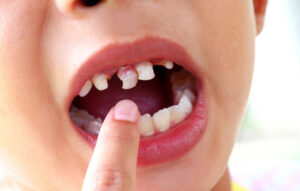
Most people know they should visit a dental office at least twice a year. But life gets busy. You push the appointment to next month, then next quarter, and before you know it, a year or two has passed without a professional cleaning or exam. Sound familiar?
Here is the truth: skipping dental checkups does not just mean your teeth go uncleaned for a while. It sets off a chain of problems that grow quietly in the background — problems that cost far more to treat later than a simple checkup would have. In this guide, we break down exactly what happens when you skip those visits, why it matters more than most people realize, and what you can do to get back on track.
👉 Ready to get back on track? Book your checkup today →
Why Regular Dental Checkups Matter More Than You Think
A dental checkup is not just about cleaning your teeth. When you visit a dental office, a dentist does a full clinical examination — checking your teeth, gums, jaw, bite, and soft tissue (the inside of your cheeks, tongue, and lips). They look for things you cannot see or feel on your own, including cavities forming between teeth, early-stage gum disease, signs of oral cancer, and bite issues that may be causing jaw pain.
Dental X-rays (radiographs) let dentists see below the gumline and between teeth where problems hide. Without these regular checks, small issues have time to grow into serious ones. Most dental conditions are completely painless in their early stages — which is exactly why you cannot rely on pain as a warning sign.
What Actually Happens When You Skip Dental Visits
1. Plaque and Tartar Build Up
Plaque is a sticky film of bacteria that forms on your teeth every day. You can remove most of it with regular brushing and flossing. But some areas — especially along the gumline and between crowded teeth — are almost impossible to clean completely on your own. Within 24 to 72 hours, plaque that is not removed hardens into tartar (also called calculus), a rock-hard deposit that only professional dental tools can remove. Once tartar forms, no amount of brushing will get rid of it. As tartar builds up over months and years, it becomes a major driver of both gum disease and tooth decay.
2. Cavities Form and Grow Silently
Tooth decay begins when bacteria in plaque produce acids that slowly eat through the outer layer of a tooth — the enamel. In the very earliest stages, this process is reversible with fluoride and good hygiene. But once a cavity forms in the enamel, it only gets bigger. Left alone for months, it reaches the next layer (dentin), which is softer and decays much faster. Eventually it reaches the pulp — the nerve and blood vessel inside the tooth. At that stage, a simple filling is no longer enough. You need a root canal or even an extraction. The longer you wait between visits to a dental office, the more likely you are to go from a small, inexpensive filling to a much more involved (and costly) procedure.
3. Gum Disease Takes Hold
Gum disease (also called periodontal disease) starts as gingivitis — inflammation of the gum tissue caused by bacteria in plaque. Gingivitis causes redness, puffiness, and bleeding when you brush or floss. At this stage it is completely reversible with a professional cleaning and better home hygiene. But if it is not caught and treated, gingivitis progresses to periodontitis — a more serious infection where the gums pull away from the teeth, forming pockets where bacteria thrive. Over time, periodontitis destroys the bone and tissue that hold your teeth in place, eventually leading to tooth loss. Research also links untreated gum disease to heart disease, diabetes, respiratory conditions, and pregnancy complications — making it a whole-body health issue, not just a mouth problem.
👉 Think your gums might be bothering you? Learn about our preventive care services →
4. Oral Cancer Goes Undetected
Every dental visit includes a quick oral cancer screening. Your dentist checks your tongue, floor of the mouth, cheeks, roof of the mouth, and throat for any unusual patches, sores, or lumps. Oral cancer is highly treatable when found early — the five-year survival rate is much higher for early-stage cases than for late-stage ones. But when you skip regular visits, there is no one performing that check. Oral cancer can spread silently to the lymph nodes and other areas before you ever notice a symptom you cannot ignore. This screening alone is reason enough to keep your dental appointments.
5. Existing Dental Work Can Fail
If you have fillings, crowns, bridges, or dental implants, regular checkups are essential for maintaining them. Fillings can crack or wear down. Crown margins can develop decay. Implants need to be assessed for bone health and gum health around them. Without periodic checks, small failures in existing dental work go unnoticed until they cause pain, infection, or the need for full replacement — which is significantly more complex and expensive than a simple repair would have been.
6. Your Smile and Confidence Suffer
Teeth that go without professional cleaning for years accumulate staining, tartar, and discoloration. Gum disease can cause gums to recede, making teeth look longer or create visible gaps. Untreated decay can lead to broken or missing teeth. All of this affects not just your oral health but your confidence in social and professional situations. People often underestimate how much their smile affects the way they feel about themselves — and the impression they make on others.
The True Cost of Skipping Checkups
There is a common reason people give for skipping dental visits: cost. A routine checkup and cleaning is genuinely affordable — especially compared to what happens when dental problems go untreated. Here is a quick comparison of typical treatment costs:
- Routine cleaning and exam: low cost, often covered by insurance
- Small filling: moderate cost, usually covered
- Root canal + crown: significantly more expensive, partially covered
- Tooth extraction + implant: high cost, may require multiple visits and procedures
- Treatment for advanced gum disease (scaling and root planing): moderate to high, depending on severity
In almost every case, the longer you wait, the more the treatment costs — both in money and in the complexity of care needed. Dental insurance often covers two checkups per year at little or no cost to you. Using those benefits actually saves you money in the long run.
At Buckeye Dental & Braces, we believe everyone deserves access to quality dental care. Check out our current specials for affordable options that fit your budget.
Who Is Most at Risk When Skipping Dental Visits?
While everyone benefits from regular checkups, certain groups face higher risks when they skip them:
Children and Teenagers
Kids’ teeth are still developing, and childhood cavities in baby teeth can affect the health and alignment of permanent teeth. Teenagers undergoing orthodontic treatment need regular dental checks alongside their braces appointments to ensure teeth and gums stay healthy throughout treatment. Our family dentistry services are built around keeping the whole family on track.
People with Diabetes
Diabetes and gum disease have a two-way relationship: poorly controlled blood sugar increases the risk of gum disease, and active gum disease makes blood sugar harder to control. People with diabetes need more frequent dental monitoring — typically every three to four months — to keep this cycle from worsening.
Pregnant Women
Hormonal changes during pregnancy make gums more sensitive and susceptible to inflammation. Pregnancy gingivitis is very common and, if untreated, can progress to more serious gum disease. Studies have linked severe gum disease in pregnancy to preterm birth and low birth weight. Dental visits during pregnancy are safe and strongly recommended.
People with Existing Dental Work
Fillings, crowns, bridges, and implants all need monitoring. Without regular visits, problems with existing restorations are caught late — when repair or replacement is more difficult.
How Often Should You Really Visit a Dental Office?
The standard recommendation — twice a year — works well for most people. But your dentist may suggest more frequent visits based on your individual risk factors. Someone with a history of heavy tartar buildup, active gum disease, or a high cavity rate might benefit from visits every three to four months. Someone with excellent oral health and low risk factors might do well with once a year.
The key is not to go by a fixed calendar date but to go by what your dentist recommends for your specific situation. If you have not been to a dental office in a year or more, the first step is simply getting back in. Most dental offices will not judge you — they want to help you get back on track.
We serve patients across multiple convenient locations. Find the one nearest to you:
What to Expect When You Come Back After a Long Gap
If it has been a while since your last visit, do not let anxiety keep you away. Here is what typically happens when you return to a dental office after an extended absence:
Step 1: Updated Health History
Your dentist will review any changes in your medical history, medications, and any symptoms you have noticed — tooth sensitivity, bleeding gums, jaw pain, or anything else.
Step 2: X-Rays
If it has been a year or more, updated dental X-rays are usually taken. These give the dentist a clear picture of what is happening beneath the surface — bone levels, cavities between teeth, and the health of existing dental work.
Step 3: Full Clinical Exam
The dentist checks every tooth and examines your gums, bite, jaw joints (TMJ), and soft tissue. An oral cancer screening is part of this exam.
Step 4: Cleaning
A dental hygienist removes plaque and tartar buildup, cleans between your teeth, and polishes the surfaces. If significant tartar buildup is found, a deeper cleaning (scaling and root planing) may be recommended.
Step 5: A Treatment Plan (If Needed)
If the exam reveals issues that need attention — cavities, gum disease, worn restorations — your dentist will outline a treatment plan and discuss your options. You are in control of your care every step of the way.
Want to know more about our team and what to expect? Meet our dental team →
Our Dental Services at Buckeye Dental & Braces
At Buckeye Dental & Braces, we offer a full range of dental care so you never need to go elsewhere for your family’s needs. From routine cleanings to orthodontics, we have you covered:
- Family Dentistry — Care for every age, from toddlers to seniors
- Preventive Dentistry — Cleanings, sealants, fluoride, and checkups
- Cosmetic Dentistry — Whitening, veneers, and smile makeovers
- Braces & Orthodontics — Traditional braces and clear aligner options
- View all dental services →
Frequently Asked Questions
How long is too long to go without a dental checkup?
Ideally, no longer than six months for most people. Going more than a year without a visit gives gum disease and tooth decay significant time to develop undetected. If it has been a year or more, schedule an appointment as soon as possible — and know that the sooner you go, the simpler (and less expensive) any treatment is likely to be.
Can skipping dental cleanings cause bad breath?
Yes. Persistent bad breath (halitosis) is often caused by bacteria in plaque and tartar that build up between teeth and under the gumline. If you have noticed that brushing does not fully resolve bad breath, a professional cleaning can make a significant difference.
Is it true that dental problems affect your heart?
There is strong evidence linking gum disease to an increased risk of heart disease and stroke. Bacteria from infected gums can enter the bloodstream and contribute to inflammation in blood vessels. This is one reason why oral health is considered an important part of overall health — not a separate concern.
What if I am anxious about going to the dentist?
Dental anxiety is extremely common and nothing to be embarrassed about. Our team at Buckeye Dental & Braces is experienced in working with patients who feel nervous. We take time to explain what we are doing, work at your pace, and make comfort a priority. The first step is simply reaching out — contact us here and let us know how we can help.
Does dental insurance cover checkups?
Most dental insurance plans cover two preventive checkups per year at 100% — meaning no out-of-pocket cost to you. Even if you are uninsured, many dental offices offer membership plans or payment options to make care accessible. Check our patient forms and information to get started.
What about children — how early should they start seeing a dentist?
The American Academy of Pediatric Dentistry recommends a child’s first dental visit by their first birthday, or within six months of their first tooth appearing. Starting early helps children become comfortable with the dental office environment and allows the dentist to catch any early issues with tooth development.
What is the difference between a regular cleaning and a deep cleaning?
A regular cleaning (prophylaxis) removes plaque and tartar from the visible surfaces of teeth and just below the gumline. A deep cleaning (scaling and root planing) goes further below the gumline to remove buildup from the roots of teeth, and is recommended when gum disease has caused the gums to pull away from the teeth. Your dentist will let you know which type of cleaning you need based on the exam.
Stop Waiting — Your Teeth Are Worth It
Every day you skip a dental visit, the problems you cannot see have more time to grow. The good news is that it is never too late to get back on track. Whether you are six months overdue or six years overdue, the right time to make an appointment is now.
At Buckeye Dental & Braces, our team makes dental care straightforward, welcoming, and focused on what is right for you — not on pushing unnecessary treatments. We serve families across Ohio at multiple convenient locations, and we are ready to help you and your family build lasting oral health.
📅 Schedule Your Appointment Today
Book an Appointment | Contact Us | Find a Location
Have questions before booking? Browse our blog for dental health tips, or read about our practice to learn what makes us different. You can also check our specials for current offers. We look forward to seeing you soon.