Choosing between clear aligners vs. traditional braces is one of the first big decisions on the road to a straighter, healthier smile. Both options can correct crooked teeth, gaps, overcrowding, and bite problems, yet they look different, feel different, and fit different lifestyles. If you have been searching for the right orthodontic treatment, this guide will help you compare your options clearly and confidently.
At Buckeye Dental & Braces, we help patients in Avon, Ohio and the surrounding communities weigh these choices every day. Below, you will find an honest breakdown of how each treatment works, who it suits best, what to expect along the way, and answers to the questions patients ask most.
Clear Aligners vs. Traditional Braces
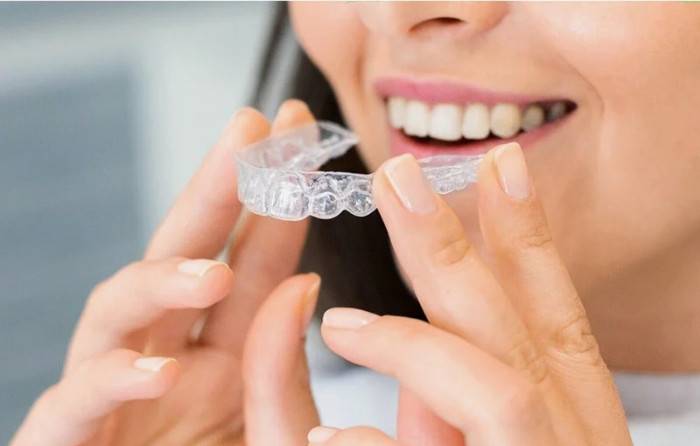
Clear aligners are removable, nearly invisible plastic trays that gradually shift your teeth, and they are often a good fit for mild to moderate alignment concerns. Traditional braces use brackets and wires bonded to your teeth, and they remain a dependable choice for complex cases. The right option depends on your bite, your goals, your age, and your daily habits, which is why a personalized exam matters.
- Appearance: aligners are nearly invisible, while braces are visible but far more comfortable than they used to be.
- Convenience: aligners come out for meals and brushing, while braces stay on 24/7.
- Complexity: braces can handle a wider range of problems, while aligners work best for mild to moderate cases.
- Responsibility: aligners only work if you wear them about 20 to 22 hours a day, while braces work without daily decisions.
- Next step: only a professional exam can confirm which treatment is right for your smile.
What Are Clear Aligners?
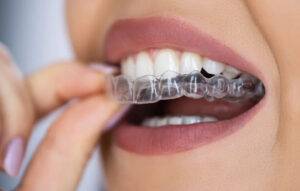
Clear aligners are a series of custom-made, transparent plastic trays designed to move your teeth step by step. Each tray is typically worn for one to two weeks before you switch to the next one in the series, and every set applies gentle pressure to guide your teeth toward their planned positions. Because the trays are clear, most people will barely notice you are wearing them.
Most patients wear their aligners about 20 to 22 hours a day, removing them only to eat, drink anything other than water, brush, and floss. That flexibility is a major reason adults and busy teens are drawn to this option. Clear aligners are commonly used to treat:
- Mildly to moderately crowded teeth
- Gaps and spacing between teeth
- Mild overbites, underbites, and crossbites
- Minor shifting after earlier orthodontic treatment
What Are Traditional Braces?
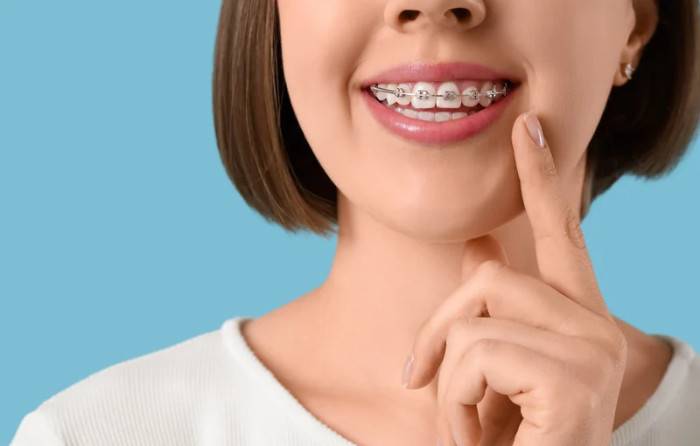
Traditional braces consist of small brackets bonded to the front of each tooth and connected by an archwire. Your provider adjusts the wire at regular visits, applying steady pressure that moves your teeth into place. Because braces are fixed, they work around the clock and give your provider precise control over tooth movement. You can explore braces treatment options to see what is involved.
Modern braces are smaller, lighter, and more comfortable than the braces of the past. Many patients also enjoy choosing colored elastic bands to personalize their look, which is especially popular with kids and teens. Traditional braces are especially effective for:
- Severe crowding or large gaps
- Significant bite problems and jaw alignment concerns
- Rotated or tilted teeth that need precise control
- Patients who may find it hard to keep up with removable trays
Clear Aligners vs. Traditional Braces: Side-by-Side Comparison
Here is a simple comparison to show how clear aligners vs. traditional braces stack up in everyday life. Keep in mind that treatment times and results vary from person to person.
| Feature | Clear Aligners | Traditional Braces |
| Appearance | Nearly invisible clear trays | Visible brackets and wires, with optional colored bands |
| Removable? | Yes, you take them out to eat and clean | No, they stay fixed on your teeth |
| Best for | Mild to moderate crowding, gaps, and bite concerns | Mild to complex cases, including major bite problems |
| Typical treatment time | Often about 6 to 18 months | Often about 12 to 30 months |
| Eating | No food restrictions while trays are out | Avoid sticky, hard, and chewy foods |
| Cleaning | Brush and floss normally; clean the trays daily | Needs extra care around brackets and wires |
| Daily responsibility | Must wear 20 to 22 hours a day | Works automatically around the clock |
| Comfort | Smooth plastic; pressure with each new tray | Soreness after adjustments; wires can irritate cheeks |
| Office visits | Fewer routine check-ins | Regular adjustment visits |
Pros and Cons of Clear Aligners
Advantages
- Nearly invisible, so you can smile confidently during treatment
- Removable, which makes brushing, flossing, and eating simple
- No wires or brackets to irritate your cheeks and gums
- Fewer routine office visits for many patients
Drawbacks
- Results depend on wearing the trays consistently every day
- Not always suitable for complex bite or alignment problems
- Trays can be lost or damaged if you do not store them properly
- You must brush before putting them back in to keep your teeth clean
Pros and Cons of Traditional Braces
Advantages
- Effective for a wide range of mild, moderate, and complex cases
- Always working, with no reliance on daily wear habits
- A long, well-established track record
- Fun color options that kids and teens often love
Drawbacks
- More noticeable than clear trays
- Certain foods, like popcorn, caramel, and hard candy, need to be avoided
- Cleaning around brackets and wires takes extra time and attention
- Some soreness after adjustment visits is normal
Which Is Right for You?
The best choice in the clear aligners vs. traditional braces decision comes down to your teeth, your lifestyle, and your goals. These guidelines can help you start thinking it through.
Clear aligners may be right for you if:
- Your alignment concerns are mild to moderate
- You are an adult or older teen who wants a discreet option
- You are disciplined about wearing the trays every day
- You want to eat and brush without working around hardware
Traditional braces may be right for you if:
- You have a complex bite problem or significant crowding
- You want a treatment that works without daily effort
- Your child or teen may struggle to keep track of removable trays
- Your provider recommends fixed appliances for the best result
If you want a straighter smile as part of a bigger confidence boost, it also helps to talk about your overall goals. Many patients pair orthodontic treatment with cosmetic dentistry to create a smile that looks as good as it feels.
Not sure which option fits? Questions are normal at this stage. Contact our team and we will help you understand your options before you commit to anything.
How Long Does Treatment Take?
Treatment time depends on how far your teeth need to move and how closely you follow your plan. Clear aligners often take about 6 to 18 months for mild to moderate cases, while traditional braces commonly take about 12 to 30 months, especially for more complex corrections. These are general ranges only, and your provider can give you a more accurate estimate after examining your teeth and bite.
How Much Do Clear Aligners and Braces Cost?
Cost depends on the complexity of your case, the length of treatment, and your insurance coverage. In many practices, the price of clear aligners vs. traditional braces is comparable, and the biggest cost factor is usually how much correction you need rather than which type of appliance you choose. Ask about insurance benefits, flexible payment options, and HSA or FSA eligibility so you can plan with confidence.
Looking for ways to make your treatment more affordable? Check out the latest dental specials and offers available to new and current patients.
What to Expect at Your First Orthodontic Consultation
A consultation is the best way to settle the clear aligners vs. traditional braces question for your own mouth. During the visit, your provider will review your dental and medical history, examine your teeth and gums, and take images or digital scans to study your bite. This is also your chance to ask about timelines, costs, and what daily life will look like with each option.
You will leave with a clear picture of what is possible, which treatment is recommended, and what the next steps are. There is no pressure to decide on the spot, and a good provider will happily answer every question so you feel comfortable with your plan. Bring a list of your goals, any concerns about appearance or comfort, and your insurance information so we can help you understand your benefits.
Tips for Success With Either Treatment
- Keep your teeth clean: brush after meals and floss daily to avoid cavities and gum irritation.
- Follow your plan: wear your trays as directed or keep every adjustment appointment with braces.
- Protect your appliance: store aligners in their case and avoid damaging foods with braces.
- Stay on top of checkups: regular cleanings and exams protect your oral health while your teeth move.
- Wear your retainer: retainers keep your new smile in place once treatment is complete.
Why Choose Buckeye Dental & Braces?
Choosing the right provider matters just as much as choosing the right treatment. Buckeye Dental & Braces combines general dental care and orthodontic treatment under one roof, so your smile is supported from checkups to alignment. Our team takes the time to listen to your goals, explain your options in plain language, and build a plan that fits your life and budget.
We are proud to care for the whole household through family dentistry, which means parents, teens, and kids can often receive care in the same trusted place. Not sure where to find us? Visit our office locations page to find the most convenient option near you.
Frequently Asked Questions
Are clear aligners as effective as traditional braces?
For mild to moderate alignment issues, clear aligners can deliver excellent results when worn as directed. For complex cases, traditional braces may offer more control. That is why the clear aligners vs. traditional braces choice should always be based on a professional exam.
Which is faster, clear aligners or braces?
Treatment time depends on your case, not just the appliance. Mild cases may finish sooner with aligners, while complex cases may take longer with either option. Your provider can give you a personalized timeline.
Do clear aligners hurt less than braces?
Many patients find clear aligners more comfortable because there are no wires or brackets. You may still feel pressure for a day or two when you start a new tray, similar to the soreness after a braces adjustment.
Can I eat anything with clear aligners?
You remove the trays to eat, so you are not restricted by the trays themselves. Just brush before putting them back in, and avoid drinking anything other than water while wearing them.
Am I too old for braces or clear aligners?
No. Adults of all ages can improve their smiles with orthodontic treatment as long as their teeth and gums are healthy. Many adults choose aligners for their discreet look, while others prefer braces for added precision.
How do I know which option is best for me?
The best way is a consultation. Your provider will examine your teeth, bite, and goals, then recommend the treatment most likely to give you a healthy, stable result.
Final Thoughts: Clear Aligners vs. Traditional Braces
There is no single winner in the clear aligners vs. traditional braces comparison, because the best option is the one that fits your teeth, your lifestyle, and your goals. Clear aligners offer discretion and flexibility for the right candidates, while traditional braces provide proven power for a wider range of cases. Either way, the right plan can give you a smile you are proud to show off for years to come.
Ready to start your smile journey? Take the first step and book your appointment today to find out whether clear aligners or traditional braces are right for you.