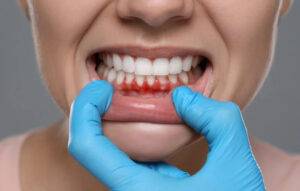
Healthy gums are the foundation of a healthy smile, yet gum problems often start so quietly that many people ignore them. A little blood in the sink after brushing, a bit of puffiness along the gumline, or breath that never seems fresh can feel minor. In reality, these can be the early signs of gum disease. Spotting them early gives you the best chance to reverse the problem before it harms your teeth, bone, and overall health.
At Buckeye Dental & Braces, we see patients every week who wish they had come in sooner. The good news is that gum disease is common, treatable, and very preventable. In this guide, our team explains what to look for, why it happens, and exactly when to book a visit. Whether you are caring for yourself or your whole household, our family dentistry team is here to help every step of the way.
What Are the Early Signs of Gum Disease?
The early signs of gum disease include gums that bleed when you brush or floss, red or swollen gums, tenderness, persistent bad breath, and gums that look like they are pulling away from your teeth. If these symptoms last more than a week or two, see a dentist. Early gum disease (gingivitis) is usually reversible with a professional cleaning and better home care.
What Is Gum Disease?
Gum disease, also called periodontal disease, is an infection of the tissues that hold your teeth in place. It begins when plaque, a sticky film of bacteria, builds up along and under the gumline. If plaque is not removed, it hardens into tartar (calculus), which only a dental professional can remove. The bacteria irritate your gums, and your body responds with inflammation.
Gum disease has two main stages. The first is gingivitis, which affects only the gums and is typically reversible. The second is periodontitis, in which the infection spreads below the gumline and can damage the bone that supports your teeth. According to the Centers for Disease Control and Prevention, nearly half of American adults over 30 show some sign of gum disease, which is why regular checkups matter so much.
| Feature | Gingivitis (early stage) | Periodontitis (advanced stage) |
| Gums | Red, puffy, bleed easily | Receding, pulling away from teeth |
| Bone and tissue | No bone loss | Bone and tissue can be damaged |
| Teeth | Firm and stable | May feel loose or shift |
| Reversible? | Usually, with professional care and good habits | Can be managed, but damage is not fully reversible |
Early Signs of Gum Disease You Should Never Ignore
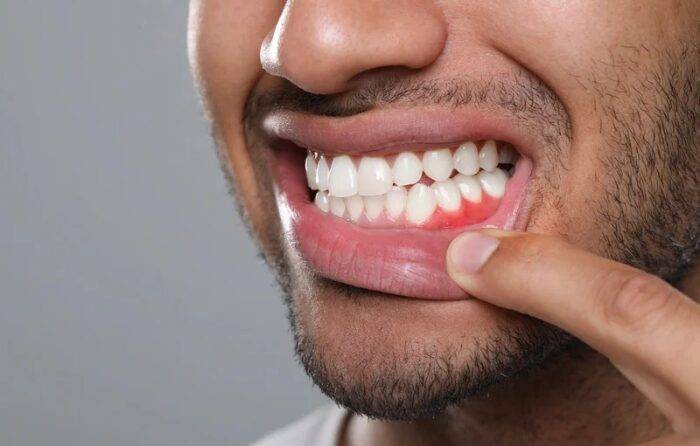
Gum disease is often painless in its early stage, which is why it is easy to miss. Here are the most common early warning signs to watch for.
1. Bleeding Gums
Healthy gums do not bleed during normal brushing and flossing. If you see pink in the sink, on your toothbrush, or on your floss, your gums are likely inflamed. Bleeding is one of the earliest and most reliable early signs of gum disease, and it should never be dismissed as normal.
2. Red, Swollen, or Puffy Gums
Healthy gums are firm and light pink. Gums that look dark red, shiny, or puffy are reacting to bacteria. Swelling may be most noticeable between teeth or along the lower front teeth, where plaque tends to collect.
3. Persistent Bad Breath or a Bad Taste
Bad breath that does not go away after brushing, rinsing, or chewing gum can come from bacteria hiding under the gumline. A lingering metallic or sour taste is another clue.
4. Tender or Sensitive Gums
Gums that feel sore when you chew, brush, or touch them are a sign that inflammation is present. Do not wait for strong pain, since early gum disease often causes only mild tenderness.
5. Receding Gums
If your teeth look longer than they used to, your gums may be pulling back. Recession exposes the tooth root, which can cause sensitivity to hot, cold, or sweet foods.
6. Gaps or Pockets Forming Around Teeth
When gums separate from your teeth, small pockets form where more bacteria can hide. You may notice food getting stuck in new places or small spaces developing between your teeth and gums.
7. Signs the Problem Is Advancing
Loose teeth, a change in how your teeth fit together when you bite, pus around the gums, or teeth that seem to shift are signs of more advanced periodontitis. These symptoms need prompt dental attention.
Notice any of these signs? A professional cleaning is often the first step toward healthier gums. Take advantage of our $79 teeth cleaning special and let our team check your gums at the same time.
What Causes Gum Disease?
Poor oral hygiene is the leading cause, but several other factors raise your risk. Knowing them helps you stay ahead of the early signs of gum disease.
- Plaque and tartar buildup from missed brushing, flossing, or professional cleanings.
- Smoking and tobacco use, which weaken your gums and slow healing.
- Diabetes, which makes infections harder to control.
- Hormonal changes, such as pregnancy, puberty, or menopause, which can make gums more sensitive.
- Certain medications that reduce saliva flow and cause dry mouth.
- Genetics and family history, since some people are simply more prone to gum problems.
- Stress and poor nutrition, which can weaken your immune response.
When Should You See a Dentist for Gum Problems?
Many people ask whether bleeding gums can wait. The honest answer is no. Here is a simple guide to help you decide when to call.
Book a Visit Within a Week or Two If You Notice:
- Gums that bleed regularly when you brush or floss
- Red, swollen, or tender gums lasting more than a few days
- Bad breath that does not improve with good hygiene
- Gums that look like they are receding
- It has been more than six months since your last cleaning and exam
Seek Prompt or Same-Day Care If You Have:
- Pus or a bad-tasting discharge near your gums or teeth
- Loose or shifting teeth
- Severe pain, facial swelling, or fever with gum symptoms
- A painful, swollen area that keeps coming back
The sooner you are seen, the simpler and less costly treatment usually is. Early gingivitis can often be reversed with a thorough cleaning and a better daily routine, while advanced periodontitis may require deeper treatment and ongoing care.
Don’t wait for the pain to start. Gum disease works quietly. Book your appointment online and get a clear answer about the health of your gums.
What to Expect at a Gum Health Exam
A gum evaluation is quick and comfortable. Your dentist or hygienist will review your health history, look closely at your gums, and measure the small spaces between your teeth and gums with a gentle probe. Healthy pockets are shallow, while deeper pockets can signal infection. X-rays may be taken to check bone levels around your teeth.
After the exam, you will get a plain-language explanation of what was found and a personalized plan. There is no guesswork and no pressure, just clear next steps.
How Is Gum Disease Treated?
Treatment depends on how far the disease has progressed.
- Professional cleaning: for gingivitis, removing plaque and tartar above the gumline is often enough when paired with better home care.
- Scaling and root planing: a deep cleaning that removes bacteria and tartar below the gumline and smooths the roots so gums can reattach.
- Improved home care plan: personalized brushing, flossing, and rinse recommendations.
- Follow-up visits: more frequent cleanings to keep the infection under control.
- Specialist referral: for advanced cases that need surgical care.
How to Prevent Gum Disease at Home
Prevention is simple, and consistency is what counts. Use these daily habits to protect your gums.
- Brush twice a day for two minutes with a soft-bristled brush and fluoride toothpaste.
- Floss or use an interdental cleaner once a day to clear plaque between teeth.
- Replace your toothbrush every three months, or sooner if the bristles fray.
- Limit sugary snacks and drinks, and drink plenty of water.
- Avoid tobacco in all forms.
- Manage health conditions such as diabetes and keep up with your medical checkups.
Home care works best alongside professional care. Regular exams and cleanings catch problems that you cannot see or feel. Our preventative dentistry services are designed to keep small issues from turning into big ones, so you can keep your natural teeth for life.
Why Gum Health Matters Beyond Your Mouth
Research has linked gum disease to other health concerns, including heart disease, diabetes complications, and pregnancy-related issues. While inflammation in the mouth does not cause these conditions on its own, healthy gums support a healthier body. Caring for your gums is one of the easiest ways to look after your overall wellbeing.
Why Choose Buckeye Dental & Braces for Gum Care?
Choosing the right dental team makes all the difference. At Buckeye Dental & Braces, we focus on gentle, honest, and patient-first care for every age. We take the time to explain what we see, answer your questions, and build a plan that fits your needs and budget. From routine cleanings to braces and cosmetic care, everything you need is under one roof.
Our practice proudly serves families in Avon, Ohio and nearby communities. If you are not sure which office is closest to you, check the full list of areas we serve to find a convenient location.
If you are unsure whether what you are seeing in the mirror is normal, trust your instincts. Taking a photo of your gums over a couple of weeks can help you track changes in color, swelling, or recession, and you can show it to your dentist. Keep in mind that even people who brush and floss carefully can develop gum problems, so a routine exam is the only reliable way to know where your gum health stands.
Frequently Asked Questions About Gum Disease
What are the first signs of gum disease?
The first signs are usually bleeding gums, redness, swelling, tenderness, and bad breath. Because these symptoms can be mild, many people overlook them.
Can gum disease be reversed?
Gingivitis, the early stage, can usually be reversed with professional cleaning and good oral hygiene. Periodontitis cannot be fully reversed, but it can be controlled with proper treatment.
Is it normal for gums to bleed when I floss?
Occasional bleeding can happen when you start flossing again after a break, but it should stop within a week or two. If bleeding continues, see your dentist.
Does gum disease hurt?
Not always. Early gum disease is often painless, which is why regular dental exams are so important.
How often should I see a dentist to prevent gum disease?
Most adults and children should visit the dentist every six months. If you have a history of gum disease or risk factors, your dentist may suggest more frequent visits.
Can gum disease cause tooth loss?
Yes. Untreated periodontitis is a leading cause of tooth loss in adults because it destroys the bone and tissue that hold teeth in place.
Final Thoughts: Don’t Ignore the Early Signs of Gum Disease
Your gums give you warning signals, and listening to them can save your smile. Bleeding, swelling, bad breath, and receding gums are the early signs of gum disease that deserve attention right away. Acting early is easier, more comfortable, and more affordable than waiting until the problem advances.Ready for healthier gums? Have questions or need help choosing the right visit? Contact our team today and we will help you take the next step toward a healthy, confident smile.