Missing teeth can affect daily life in many ways. Eating becomes difficult, speech may change, and many people feel less confident when smiling. Dental implants are one of the most reliable ways to replace missing teeth because they are designed to look, feel, and function like natural teeth. With proper care, implants can last for many years.
At Buckeye Dental and Braces, patients often ask how to protect their investment after treatment. Good implant care is not complicated, but it does require healthy habits and regular dental visits. This guide explains how to maintain implants, avoid common problems, and support long-term oral health.
If you are researching Dental implants Avon Ohio, this article will help you understand what matters most after the procedure and how daily care affects long-term results.
Understanding Dental Implants

A dental implant is a small titanium post placed into the jawbone to replace a missing tooth root. Titanium is a strong metal that naturally bonds with bone through a process called osseointegration, which means the implant becomes stable inside the jaw over time.
Most dental implant restorations include:
- The implant post
- An abutment that connects the implant to the replacement tooth
- A crown that looks like a natural tooth
Dental implants are popular because they support chewing, preserve jawbone strength, and prevent nearby teeth from shifting.
People searching for Dental implants Avon Ohio often want a long-lasting solution that feels natural and supports everyday comfort.
Why Implant Care Matters
Dental implants cannot get cavities like natural teeth, but the surrounding gums and bone still need protection. Poor oral hygiene can lead to inflammation around the implant, known as peri-implantitis. This condition affects the gum and bone supporting the implant and may lead to implant failure if left untreated.
Daily care helps:
- Reduce plaque buildup
- Protect the gums around the implant
- Maintain fresh breath
- Prevent infection
- Extend the life of the implant
Long-term success depends on both professional dental care and home hygiene habits.
The First Few Days After Implant Surgery
Healing after implant placement is important. Following post-treatment instructions helps the implant bond properly with the jawbone.
What to Expect After Surgery
Mild swelling, soreness, and minor bleeding are common during the first few days. Most patients return to normal routines quickly, but healing inside the jaw takes several months.
Tips for Early Healing
During the recovery period:
- Eat soft foods like yogurt, soup, eggs, and smoothies
- Avoid smoking or tobacco products
- Take medications exactly as prescribed
- Keep the surgical area clean
- Avoid chewing directly on the implant site
Patients who follow aftercare instructions carefully often experience smoother healing and better long-term results.
Daily Cleaning Habits for Dental Implants
Keeping implants clean every day is one of the most important parts of implant care.
Brush Twice a Day
Use a soft-bristled toothbrush to clean around the implant gently. Hard brushing may irritate the gums. Electric toothbrushes can also help remove plaque effectively.
Brush:
- Along the gumline
- Around the implant crown
- Behind nearby teeth
- The tongue and roof of the mouth
Floss Around the Implant
Food particles and plaque can collect around implants just like natural teeth. Flossing helps clean areas a toothbrush cannot reach.
Some patients use:
- Implant-specific floss
- Water flossers
- Interdental brushes
These tools help clean tight spaces without damaging the gums.
Use an Antibacterial Mouth Rinse
A dentist may recommend an alcohol-free antibacterial rinse to reduce bacteria and support healthy gums.
Patients searching for Dental implants Avon Ohio should know that simple daily hygiene habits often make the biggest difference in implant longevity.
Foods That Support Implant Health

Diet affects healing and oral health. Healthy foods help protect the gums and jawbone around implants.
Best Foods for Implant Support
Choose foods rich in:
- Calcium for strong bones
- Vitamin D for bone support
- Protein for healing
- Vitamin C for healthy gums
Good choices include leafy greens, fish, dairy products, eggs, nuts, and lean meats.
Foods to Limit
Certain foods can place stress on implants or increase plaque buildup.
Try to avoid:
- Sticky candy
- Hard ice
- Excessive sugary snacks
- Very hard foods that may crack restorations
Chewing ice or hard objects can damage crowns attached to implants.
Why Regular Dental Visits Are Important
Even if implants feel comfortable, routine dental visits are still necessary.
Professional cleanings help remove hardened plaque called tartar, which cannot be removed fully at home.
During regular visits, the dental team checks:
- Gum health
- Bone support around the implant
- Bite alignment
- Implant stability
- Signs of infection or inflammation
Many people searching for Dental implants Avon Ohio want to know how long implants last. Regular checkups play a major role in protecting long-term results.
Patients can also learn more about preventative dentistry to help maintain strong oral health and protect dental work over time.
Signs of Implant Problems You Should Not Ignore
Dental implants usually feel stable and comfortable after healing. If something changes, it is important to contact a dental office early.
Common Warning Signs
Watch for symptoms such as:
- Bleeding gums around the implant
- Persistent bad breath
- Swelling or redness
- Pain while chewing
- Loose implant feeling
- Gum recession around the implant
Early treatment can often prevent more serious complications.
If you notice these symptoms, you can contact the dental team for guidance.
Can Smoking Affect Dental Implants?
Yes. Smoking is one of the biggest risk factors for implant complications.
Tobacco reduces blood flow to the gums and slows healing. Smokers may face:
- Increased infection risk
- Delayed healing
- Bone loss
- Implant failure
Patients considering Dental implants Avon Ohio are often encouraged to reduce or stop smoking before treatment to improve healing outcomes.
Teeth Grinding and Implant Protection
Some people grind or clench their teeth during sleep. This condition is called bruxism.
Grinding places extra pressure on implants and restorations. Over time, it may damage crowns or affect surrounding teeth.
How Dentists Help Protect Implants
A custom nightguard may be recommended to reduce pressure while sleeping.
Signs of teeth grinding include:
- Morning jaw pain
- Headaches
- Worn teeth
- Tooth sensitivity
Protecting implants from excess force helps maintain long-term stability.
How Gum Health Affects Implant Success
Healthy gums are the foundation of successful implants. Gum disease can weaken the tissues supporting implants and natural teeth.
Ways to Support Healthy Gums
Healthy gum habits include:
- Daily brushing and flossing
- Routine cleanings
- Staying hydrated
- Avoiding tobacco
- Managing diabetes carefully
People with healthy gums often experience better implant outcomes over time.
Patients interested in maintaining healthy smiles may also benefit from learning about family dentistry services for long-term oral care.
Are Dental Implants Better Than Dentures?
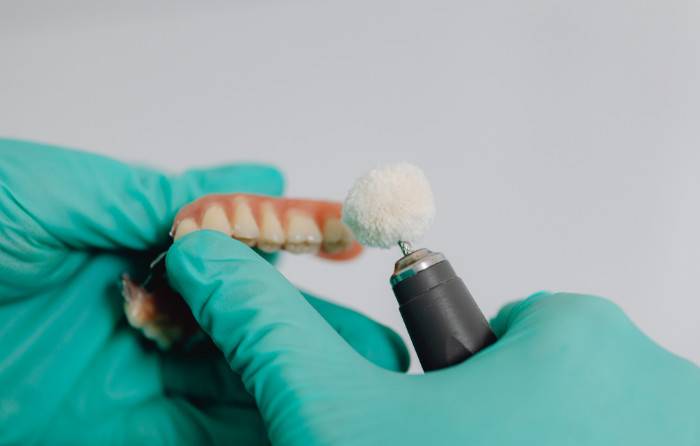
Many patients compare implants with removable dentures when replacing missing teeth.
Benefits of Dental Implants
Implants may provide:
- Better chewing ability
- Improved speech
- Strong jawbone support
- More stability
- A natural appearance
Unlike traditional dentures, implants do not slip while eating or talking.
Patients researching Dental implants Avon Ohio often choose implants because they support comfort and confidence in daily life.
How Long Do Dental Implants Last?
Dental implants are designed for long-term use. Many implants last decades when cared for properly.
Several factors influence lifespan:
- Oral hygiene habits
- Gum health
- Smoking habits
- Regular dental visits
- Overall health conditions
The implant itself may last many years, while the crown attached to it may eventually need replacement due to normal wear.
Questions Patients Often Ask About Implant Care
People often want clear answers before deciding on treatment or after implant placement.
Can I Eat Normally With Dental Implants?
Yes. After healing, most patients can return to normal eating habits comfortably.
Do Implants Feel Like Real Teeth?
Dental implants are designed to feel stable and natural while chewing and speaking.
Are Implants Difficult to Maintain?
No. Implants should be cared for similarly to natural teeth with brushing, flossing, and regular checkups.
What Happens if I Skip Dental Visits?
Skipping cleanings and exams may allow gum inflammation or bone loss to progress without notice.
Everyday Habits That Help Implants Last Longer
Simple habits can protect implants for many years.
Helpful Daily Habits
- Brush every morning and night
- Floss carefully around implants
- Drink water throughout the day
- Wear a nightguard if recommended
- Visit the dentist regularly
- Eat balanced meals
- Avoid smoking
Consistency matters more than complicated routines.
Choosing the Right Dental Team Matters
Dental implant success depends not only on the procedure but also on ongoing care and support.
At Buckeye Dental and Braces team, patients receive guidance throughout every stage of treatment, from consultation to long-term maintenance. A caring dental team can help patients understand proper cleaning techniques, monitor healing, and answer questions about implant care.
People searching online for Dental implants Avon Ohio often want treatment that feels supportive, comfortable, and focused on long-term oral health.
Hidden Signs You May Need to Schedule an Implant Checkup
Some implant issues begin quietly. It is important not to ignore small changes.
You may benefit from scheduling a dental visit if you notice:
- Mild discomfort near an implant
- Food trapping around the crown
- Changes in your bite
- Gum tenderness
- Difficulty cleaning certain areas
Early attention may help prevent more complex treatment later.
If your implant has not been checked recently, you can book an appointment with the dental team for an evaluation.
Conclusion
Dental implants are one of the most dependable options for replacing missing teeth, but long-term success depends on proper care. Daily cleaning, healthy habits, and regular dental visits all help protect the gums and bone supporting the implant.
Simple steps like brushing carefully, flossing daily, avoiding tobacco, and monitoring gum health can make a major difference over time. Patients who stay consistent with oral hygiene often enjoy strong, comfortable results for many years.
If you have questions about implant maintenance or are considering treatment, the team at Buckeye Dental and Braces can help you understand your options and support your long-term oral health goals.
FAQs About Dental Implant Care
How often should dental implants be cleaned?
Dental implants should be brushed and flossed every day just like natural teeth. Regular professional cleanings are also important.
Can dental implants fail?
Yes, although implant failure is uncommon when patients maintain good oral hygiene and follow dental recommendations.
Is flossing necessary with implants?
Yes. Flossing helps remove plaque and food particles around the implant and supports healthy gums.
Can I smoke after getting dental implants?
Smoking can slow healing and increase the risk of implant complications. Many dentists recommend avoiding tobacco products.
Do dental implants require special toothpaste?
Most non-abrasive toothpaste options work well for implants. A dentist may recommend products based on individual needs.
How long does implant healing take?
Initial healing usually takes a few days, but full integration with the jawbone may take several months.
What foods should I avoid after implant surgery?
Hard, crunchy, or sticky foods should be avoided during early healing to reduce pressure on the implant area.
When should I contact a dentist about my implant?
You should contact a dentist if you notice pain, swelling, bleeding gums, looseness, or changes around the implant area.