Introduction: Why Tooth Sensitivity Is So Common
Tooth sensitivity is a problem many people experience at some point in their lives. A sudden sharp pain while drinking cold water, eating sweets, or even brushing can be uncomfortable and confusing. Understanding What Causes Tooth Sensitivity helps patients take the right steps before the problem becomes more serious.
At Buckeye Dental and Braces, patients often ask why their teeth hurt even when there is no visible damage. Sensitivity is usually a sign that the tooth’s protective layer is weakened or the gums are no longer fully covering the tooth roots.
How Tooth Sensitivity Works (Easy to Understand)
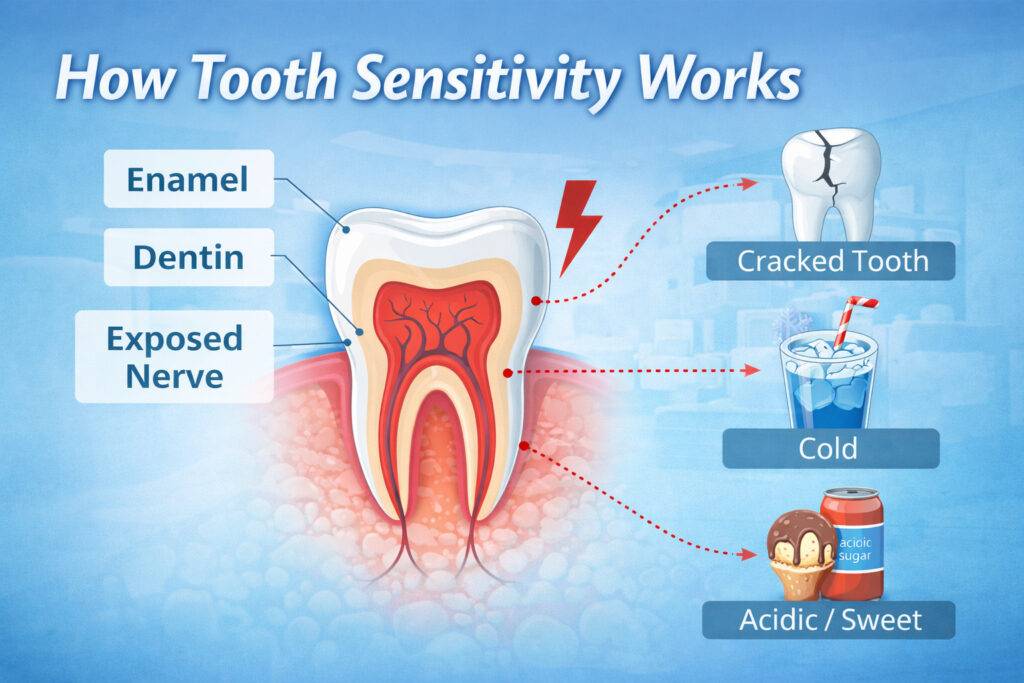
Each tooth is protected by enamel, the hard outer layer. Beneath enamel is dentin, which contains tiny channels that lead to the tooth’s nerve. When enamel wears down or gums recede, dentin becomes exposed.
This exposure allows hot, cold, sweet, or acidic substances to reach the nerve quickly, causing pain. This explains What Causes Tooth Sensitivity and why the discomfort can feel sudden and intense.
Everyday Triggers That Cause Sensitive Teeth
Sensitive teeth often react to normal daily activities.
Cold drinks, hot coffee, sugary snacks, and acidic foods are common triggers. Even breathing cold air can cause discomfort when dentin is exposed. Pain during brushing or flossing may indicate gum recession or enamel damage that needs professional attention through proper dental services.
Main Causes of Tooth Sensitivity
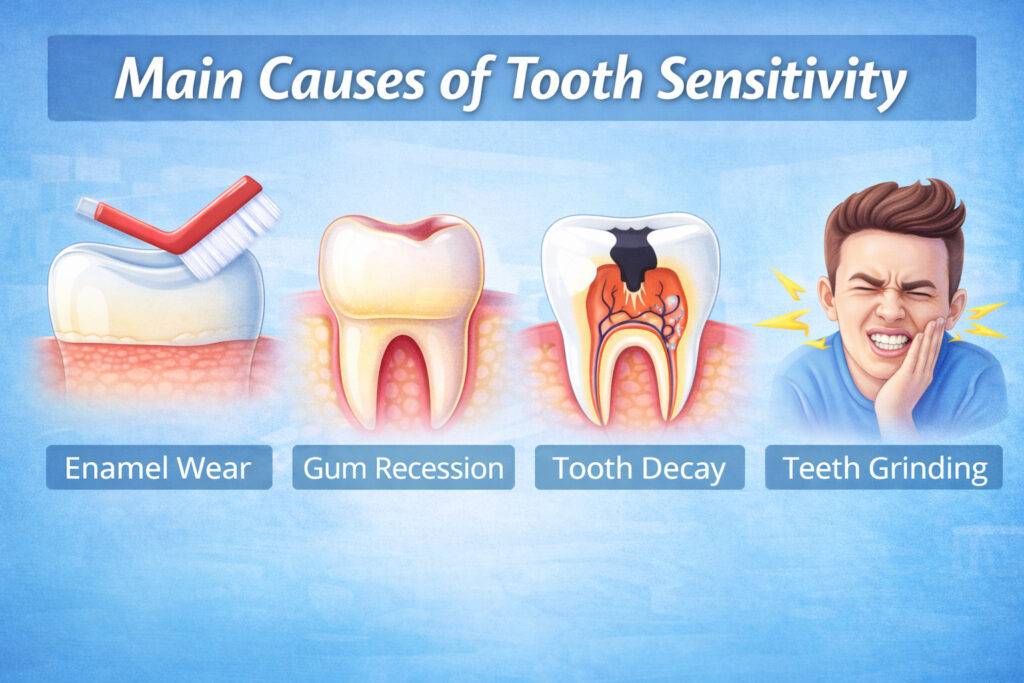
There are several reasons why sensitivity develops, and identifying the cause is key to proper treatment.
Enamel Wear
Enamel can slowly wear away due to aggressive brushing, teeth grinding, or frequent exposure to acidic foods and drinks. Once enamel thins, teeth lose their natural defense against temperature changes.
Gum Recession
When gums pull back, they expose the tooth roots. Since roots do not have enamel, they are highly sensitive. Gum recession is often linked to brushing too hard or untreated gum disease, which is commonly addressed through preventive dentistry.
Tooth Decay and Cavities
Even small cavities can cause sensitivity. Bacteria break down enamel and expose dentin, leading to pain when eating or drinking.
Cracked or Chipped Teeth
Tiny cracks may not always be visible but can allow sensations to reach the nerve, especially when chewing.
Teeth Grinding (Bruxism)
Grinding teeth, often during sleep, wears down enamel over time and increases sensitivity. A dentist may recommend protective solutions to prevent further damage.
Lifestyle Habits That Increase Tooth Sensitivity
Daily habits play a big role in What Causes Tooth Sensitivity.
Brushing too hard, using hard-bristle toothbrushes, and consuming acidic beverages regularly can weaken enamel. Poor oral hygiene can also lead to plaque buildup, gum inflammation, and increased discomfort. Maintaining good habits through routine family dentistry visits helps prevent these issues.
Signs You Should Not Ignore
- Sharp pain when eating or drinking hot or cold items
- Sensitivity while brushing or flossing
- Pain focused on one specific tooth
- Sensitivity that worsens over time
- Discomfort combined with visible gum recession
Is Tooth Sensitivity a Serious Issue?
Tooth sensitivity itself is not dangerous, but it often signals an underlying dental problem. Ignoring it may allow decay, gum disease, or enamel damage to worsen. Learning What Causes Tooth Sensitivity helps patients act early and avoid more complex treatments later.
How Dentists Identify the Cause
Dentists examine teeth, gums, bite alignment, and dental history to determine the source of sensitivity. X-rays may be used to detect decay or infections that are not visible.
An experienced dental team focuses on treating the root cause rather than just managing symptoms.
Treatment Options for Tooth Sensitivity
Treatment depends on the cause and severity.
Desensitizing toothpaste may block nerve signals over time. Professional fluoride treatments help strengthen enamel. Dental bonding or sealants can protect exposed dentin. When gum recession is involved, targeted gum care is recommended.
For patients undergoing orthodontic treatment, mild sensitivity during braces or aligner adjustments is common and usually temporary.
Tooth Sensitivity in Children and Teens
Sensitivity is not limited to adults. Children and teens may experience it due to early enamel erosion, improper brushing, or orthodontic care. Regular visits through family-focused care help detect issues early and protect developing teeth.
The Link Between Gum Disease and Sensitivity
Gum disease causes inflammation and gum recession, exposing sensitive tooth roots. Treating gum health often reduces sensitivity significantly and improves overall oral comfort.
Can Tooth Sensitivity Go Away on Its Own?
Mild sensitivity may improve with better brushing habits and toothpaste changes. However, ongoing pain usually means an underlying issue that requires professional care. Understanding What Causes Tooth Sensitivity ensures problems are addressed before they worsen.
Preventing Tooth Sensitivity Long-Term
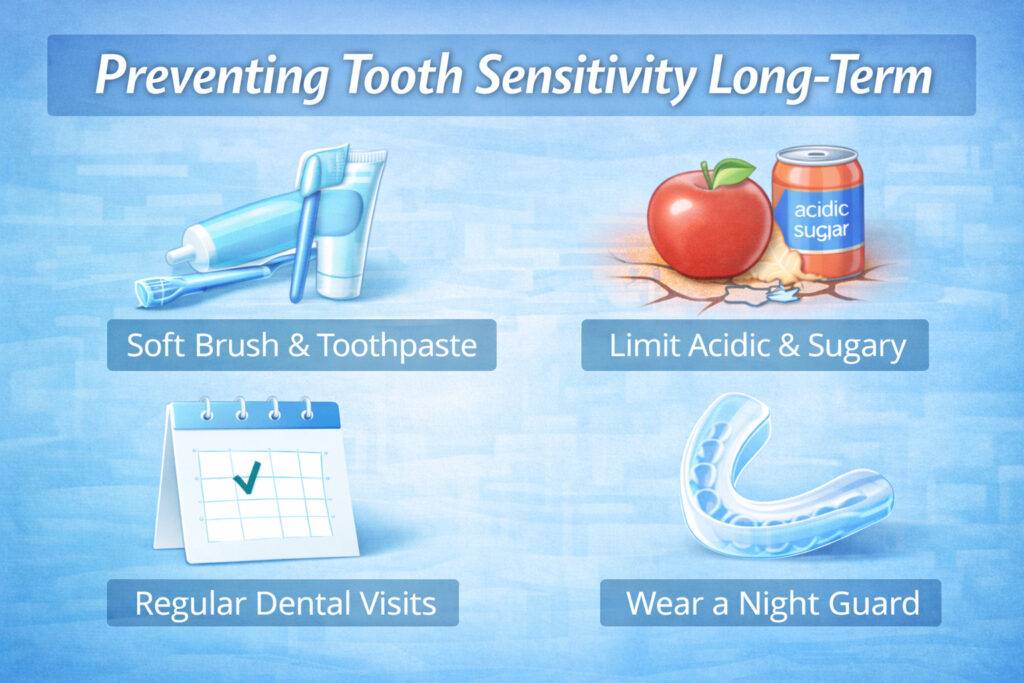
Prevention is often easier than treatment. Using a soft-bristle toothbrush, avoiding brushing immediately after acidic foods, limiting sugary drinks, and maintaining regular dental checkups all help protect enamel and gums.
Patients in need of a dentist in Avon, Ohio or a dentist in Avon Lake, Ohio can benefit from early evaluations to prevent sensitivity from progressing.
Frequently Asked Questions
What causes tooth sensitivity all of a sudden?
Sudden sensitivity is often caused by enamel wear, gum recession, or a new cavity.
Can tooth sensitivity mean a cavity?
Yes, sensitivity in one tooth is commonly linked to decay and should be checked.
Is sensitivity permanent?
Not always. Many cases improve once the cause is treated.
Does teeth whitening increase sensitivity?
Yes, whitening can cause temporary sensitivity, especially if enamel is thin.
Should I stop brushing if my teeth hurt?
No. Switch to gentler brushing instead of stopping oral care.
Taking the Next Step Toward Comfort
Living with tooth sensitivity can affect eating habits, confidence, and daily comfort. A timely evaluation can help identify the cause and prevent future problems.
If sensitivity is interfering with daily life, you may consider scheduling an appointment for a personalized dental assessment. Preparing in advance with patient forms can make visits smoother.
Some patients also explore special dental offers when planning ongoing care.
For updates, oral care tips, and patient information, Buckeye Dental and Braces stays connected on Facebook and Instagram.