Does a sip of iced water, a spoonful of ice cream or a hot cup of coffee send a sharp zing through your mouth? You are not alone. Millions of adults deal with sensitive teeth every day, and many put up with the discomfort for years before asking for help. The good news is that tooth sensitivity is common, well understood and very treatable.
At Buckeye Dental & Braces, we help patients across Avon and the surrounding Ohio communities find the real reason their teeth hurt and fix it, so they can enjoy food and drinks again. In this guide, we explain what causes sensitive teeth, which treatments work, what you can do at home and when it is time to see a dentist.
Quick Answer: Why Are My Teeth Sensitive?
Teeth usually become sensitive when the protective outer layer (enamel) wears down or the gums pull back, exposing the softer layer underneath called dentin. Here are the key takeaways:
- Most common causes: worn enamel, receding gums, tooth decay, cracked teeth, teeth grinding and aggressive brushing.
- Typical triggers: cold drinks, hot foods, sweets, sour or acidic foods and even cold air.
- Best first steps: switch to a desensitizing toothpaste, use a soft brush and avoid acidic drinks.
- Professional treatment: fluoride, bonding, sealants, fillings, night guards, gum treatment or, in rare cases, a root canal.
- See a dentist if: pain lingers, wakes you up at night or affects one specific tooth.
What Are Sensitive Teeth?
Sensitive teeth, also called dentin hypersensitivity, describe a short, sharp pain that appears when a tooth is exposed to certain temperatures, foods or touch. The pain usually fades within seconds after the trigger is gone. For some people it is a mild twinge. For others it is strong enough to avoid favorite foods or skip brushing and flossing altogether, which only makes the problem worse.
Tooth sensitivity can affect one tooth, several teeth or your whole mouth. It can come and go, or it can stay for months. Whatever pattern you notice, it is your body telling you that something is irritating the nerve of the tooth.
Why Do Teeth Hurt When Eating or Drinking?
Each tooth has three main layers. Enamel is the hard shell on the crown, cementum covers the root, and dentin sits underneath both. Dentin is filled with thousands of microscopic channels called tubules that lead directly to the nerve in the center of the tooth.
When enamel thins or gums recede, those tubules are exposed. Hot, cold, sweet or acidic foods can then travel through the tubules and stimulate the nerve, which you feel as a sudden jolt of pain. This is why people with sensitive teeth often notice discomfort while eating ice cream, sipping tea, biting into a cold apple or even breathing in cold winter air.
Common Causes of Sensitive Teeth
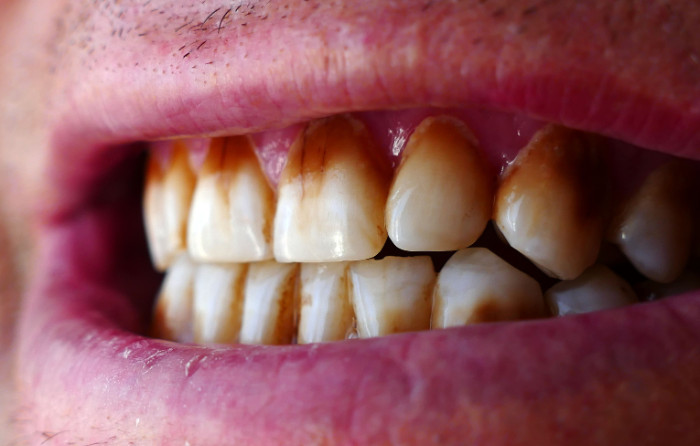
Understanding the cause is the most important step, because the right treatment depends on it. These are the most frequent reasons we see in the dental chair.
1. Worn Tooth Enamel
Enamel is the strongest substance in the body, but it cannot grow back. Acidic foods and drinks such as soda, citrus, wine and sports drinks slowly dissolve it. Frequent heartburn or acid reflux can do the same. Over time, thinner enamel means more exposed dentin and more sensitivity.
2. Gum Recession
When gums pull away from the teeth, the root surfaces become exposed. Roots are not protected by enamel, so they react quickly to temperature changes. Gum recession is often caused by gum disease, genetics, tobacco use or brushing too hard.
3. Brushing Too Hard
A firm toothbrush and heavy pressure can scrub away enamel and push gums back. If your bristles look flattened after only a few weeks, you are probably brushing too aggressively.
4. Tooth Decay and Cavities
A cavity creates a hole that lets stimuli reach the inner tooth. Sensitivity to sweets is often one of the earliest signs of decay. Catching it early usually means a simpler and less costly filling.
5. Cracked or Chipped Teeth
A small crack may not be visible, but it can allow hot and cold to reach the nerve. Pain when you release a bite, or only on certain foods, is a classic sign of a cracked tooth.
6. Worn Fillings and Crowns
Old restorations can leak or pull away from the tooth, leaving tiny gaps where bacteria and temperature changes get in.
7. Teeth Grinding (Bruxism)
Grinding or clenching, especially during sleep, wears down enamel and can create tiny fractures. Many patients do not realize they grind until a dentist spots flattened tooth surfaces or they wake with a sore jaw.
8. Teeth Whitening Products
Some whitening products can cause temporary sensitivity. It usually settles within a few days, but if you are prone to sensitivity, professional guidance helps. Our cosmetic dentistry team can recommend a gentler approach for a brighter smile.
9. Gum Disease and Plaque Buildup
Plaque and tartar irritate the gums and can lead to recession and exposed roots. Regular cleanings keep gums healthy and sensitivity under control.
10. Recent Dental Work
Fillings, crowns, cleanings and whitening can cause short-term sensitivity. This is normal and typically improves within a couple of weeks.
Which Foods and Drinks Trigger Tooth Sensitivity?
Different triggers point to different problems, so it helps to notice patterns. Common culprits include:
- Cold items: ice water, ice cream, frozen desserts and cold air.
- Hot items: coffee, tea, soup and hot meals.
- Sweet foods: candy, pastries and sugary drinks, which can signal a cavity.
- Acidic foods: citrus fruits, tomatoes, pickles, vinegar, soda and wine.
- Hard or crunchy foods: which can aggravate a cracked tooth or exposed root.
Keeping a short note of what hurts and when gives your dentist valuable clues for a faster diagnosis.
Normal Sensitivity vs. a Warning Sign
Mild, brief sensitivity can be harmless, especially after a dental procedure. However, certain signs mean you should not wait:
- Pain that lingers for more than 30 seconds after the trigger.
- Pain that wakes you at night or happens without any trigger.
- Sensitivity in only one tooth.
- Swelling in the gums or face, a pimple-like bump on the gum, or a bad taste.
- Visible holes, cracks, dark spots or a broken tooth.
These symptoms can point to deep decay, infection or a damaged nerve, and early care can save the tooth.
Sensitive Teeth Treatment Options
The right plan depends on what is causing your discomfort. After a thorough exam and, if needed, X-rays, your dentist may recommend one or more of the following options.
Desensitizing Toothpaste
These toothpastes contain ingredients such as potassium nitrate or stannous fluoride that help block pain signals and seal exposed tubules. Most people notice improvement after a few weeks of consistent use. Brush with it twice a day, and try leaving a thin layer on sensitive areas before bed.
Professional Fluoride Treatments
A concentrated fluoride varnish or gel applied in the office strengthens enamel and reduces sensitivity. It is quick, comfortable and often done during a routine visit.
Dental Bonding and Sealants
If the root surface or a worn area is exposed, your dentist can apply a tooth-colored resin or sealant that covers the dentin and shields the nerve. It is a fast, minimally invasive way to get lasting relief.
Fillings, Inlays or Crowns
When sensitivity comes from decay, a cracked tooth or a failing restoration, repairing the tooth is the best solution. A new filling, inlay or crown restores protection and eliminates the pain.
Gum Grafting
For significant gum recession, a gum graft can cover exposed roots, protect the tooth and improve the look of your smile.
Night Guards for Teeth Grinding
A custom-fitted night guard cushions your teeth while you sleep, preventing further enamel wear and cracks caused by clenching and grinding.
Gum Disease Treatment
If gum disease is the cause, a deep cleaning and ongoing periodontal care can stop recession and calm sensitivity.
Root Canal Therapy
If the nerve is inflamed or infected and the pain is severe or constant, a root canal removes the damaged tissue, relieves pain and saves the natural tooth. This is usually the last option, but it is highly effective when needed.
Home Care Tips to Reduce Tooth Sensitivity
While you wait for your appointment, these simple habits can ease discomfort:
- Use a soft-bristled toothbrush and gentle, circular strokes.
- Switch to a desensitizing toothpaste and avoid harsh whitening pastes.
- Do not brush right after acidic foods or drinks. Rinse with water and wait about 30 minutes.
- Drink acidic and sugary beverages through a straw and finish them quickly instead of sipping all day.
- Use an alcohol-free fluoride mouthwash.
- Avoid extreme temperatures when your teeth are flaring up.
Home care can reduce symptoms, but it cannot fix a cavity, crack or infection. If sensitivity continues, professional treatment is the safest path.
Tired of Wincing With Every Sip?
Do not let sensitive teeth control what you eat and drink. Book your appointment today and let our friendly team find the cause and relieve your pain.
How to Prevent Sensitive Teeth
Prevention is always easier than treatment. Brush twice daily with fluoride toothpaste, floss every day, limit acidic and sugary foods and wear a mouthguard if you grind your teeth. Most importantly, keep up with regular checkups and cleanings. Our preventative dentistry services help catch enamel wear, early cavities and gum problems before they turn into painful sensitivity.
When Should You See a Dentist for Sensitive Teeth?
Book a visit if your sensitivity lasts longer than a couple of weeks, gets worse, affects a single tooth or comes with swelling, bleeding gums or visible damage. A dentist for sensitive teeth can pinpoint the exact cause, something toothpaste alone cannot do. Early treatment is usually simpler, faster and more affordable than waiting until the problem becomes a dental emergency.
Have Questions About Your Symptoms?
Our team is happy to help. Contact us to ask about sensitive teeth treatment and find the right appointment time for you and your family.
Why Choose Buckeye Dental & Braces for Sensitive Teeth Treatment?
Dental pain is stressful, and you deserve a team that listens. Patients choose Buckeye Dental & Braces for gentle, personalized care in a comfortable setting. We take time to understand your symptoms, explain your options in plain language and build a treatment plan that fits your needs and budget.
From routine checkups to restorative care, our full range of dentist services is designed to treat the root cause of your discomfort. As a trusted choice for family dentistry, we welcome patients of all ages, so parents, kids and grandparents can all get care in one place.
Frequently Asked Questions About Sensitive Teeth
Why are my teeth suddenly sensitive to cold?
Sudden cold sensitivity often comes from enamel wear, gum recession, a new cavity or a cracked tooth. If it appears out of nowhere or affects just one tooth, schedule an exam soon.
Can sensitive teeth go away on their own?
Sensitivity caused by recent dental work or whitening often fades within days or weeks. Sensitivity caused by decay, gum recession or enamel loss will not disappear without treatment.
Is tooth sensitivity a sign of a cavity?
It can be. Pain with sweets, or in one specific tooth, is a common early sign of decay. A dental exam and X-rays can confirm it.
Does desensitizing toothpaste really work?
Yes, for many people. It usually takes two to four weeks of daily use to notice a difference. If there is no improvement, an underlying problem likely needs professional care.
Are sensitive teeth a dental emergency?
Mild sensitivity is not an emergency. Severe, constant pain, swelling or fever needs prompt attention, as these can signal an infection.
How is sensitive teeth treatment different for kids and adults?
The causes can differ. Children may have cavities or newly erupting teeth, while adults more often have gum recession and enamel wear. A dentist will tailor care to every age group.
Final Thoughts: Enjoy Food and Drinks Without Pain
Sensitive teeth are your mouth’s way of asking for attention. Whether the cause is worn enamel, receding gums, a cavity or grinding, effective treatment is available and relief is closer than you think. The sooner you find the cause, the easier the fix.
Ready for Pain-Free Smiles?
Visit one of our convenient locations or call our team today to schedule your visit. Let us help you get relief from sensitive teeth and get back to enjoying every meal.