Tooth pain, sensitivity, or a chipped tooth can leave you wondering the same thing almost every patient asks in the dentist’s chair: do you need a dental crown or a filling? It’s one of the most common questions in restorative dentistry, and the honest answer is that it depends entirely on the size, location, and severity of the damage to your tooth. Choosing between a crown or a filling isn’t a one-size-fits-all decision, and getting it right matters for your comfort, your budget, and the long-term health of your smile.
At Buckeye Dental & Braces, our dentists examine every tooth individually with X-rays and a hands-on exam before recommending a dental crown or filling, because no two cavities or cracks are exactly alike. In this guide, we’ll walk you through how dentists decide between a crown or a filling, the warning signs to watch for, what each procedure actually involves, recovery tips, cost considerations, and how you can protect your smile for years to come.
What Is a Dental Filling?

A dental filling is the most common restorative treatment used to repair a tooth affect by minor to moderate decay, a small chip, or a hairline crack. During the procedure, your dentist removes the decayed portion of the tooth and fills the resulting space with a tooth-colored composite resin (or, less commonly today, amalgam). Fillings are quick, usually complet in a single visit, and are designed to restore the tooth’s shape and function while preserving as much of your natural tooth structure as possible.
Fillings work best when the damage is limited to a small area of the tooth’s surface. If you’re due for a routine check-up or think you might have a cavity, our family dentistry team can evaluate your teeth and catch problems early, often before a filling is even needed.
What Is a Dental Crown?
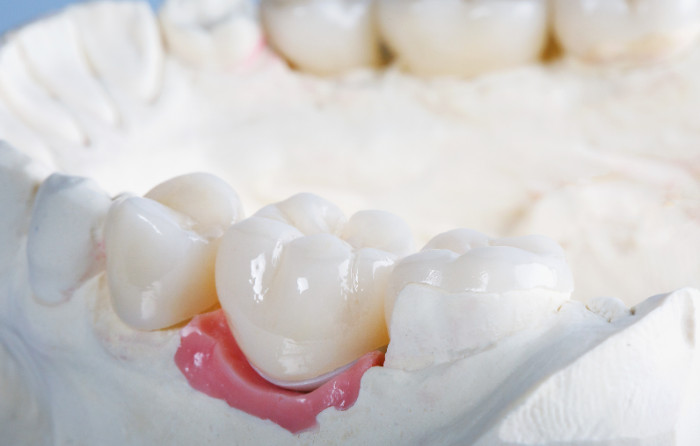
A dental crown is a custom-made cap that fits completely over a damaged, weakened, or heavily decayed tooth, restoring its strength, shape, and appearance. Unlike a filling, which only replaces a small portion of the tooth, a crown covers the entire visible surface above the gumline. Crowns are typically made from porcelain, ceramic, zirconia, or a metal alloy, and they’re recommend when a tooth has too little healthy structure left to support a filling — for example, after a root canal, a large fracture, or extensive decay.
Crowns are also widely use for smile-related concerns, not just structural repair. If you’re considering a crown for both function and appearance, our cosmetic dentistry services can help you achieve a natural, confident-looking result.
Types of Fillings and Crowns You Might Be Offered
Not all fillings and crowns are made the same way, and the material your dentist recommends can affect both cost and durability. Composite resin fillings are the most popular choice today because they match your natural tooth color and bond tightly to the remaining tooth structure, but some patients still opt for durable amalgam fillings for back teeth that handle heavy chewing forces. On the crown side, you might be offered an all-porcelain or all-ceramic crown for the most natural look, a zirconia crown for exceptional strength on molars, or a porcelain-fused-to-metal crown that balances durability with a tooth-like appearance.
Your dentist will factor in the tooth’s location, how visible it is when you smile, and how much bite force it needs to withstand when recommending a specific material for your dental crown or filling. Front teeth often prioritize a natural, translucent appearance, while molars usually call for maximum strength since they do most of the work when you chew.
Dental Crown or a Filling? Key Differences
When you’re weighing a dental crown or a filling, it helps to understand exactly how the two treatments differ:
- Coverage: A filling repairs a small portion of the tooth; a crown covers the entire tooth.
- Strength: Crowns provide significantly more structural support for teeth with extensive damage.
- Procedure time: Fillings are usually done in one visit; crowns may require two visits (or one, with same-day crown technology).
- Longevity: A well-placed filling can last 7–10 years; a crown can last 10–15 years or longer with good care.
- Cost: Fillings are generally less expensive upfront than crowns, though both are cost-effective compare to extraction and replacement.
Understanding these differences is the first step toward knowing whether you need a dental crown or a filling — but the final decision should always be made after a professional exam, since X-rays often reveal damage that isn’t visible or painful yet.
Signs You Might Need a Filling
You may only need a filling if you’re experiencing:
- Mild to moderate sensitivity to hot, cold, or sweet foods
- A visible small dark spot or pit on the tooth surface
- A minor chip that doesn’t expose the inner layers of the tooth
- A cavity detected during a routine dental exam, with no pain yet
- Slight roughness or a catch you feel with your tongue on a tooth’s surface
Signs You Might Need a Crown
A crown is usually the better option when you notice:
- Sharp or lingering pain when biting down or chewing
- A large portion of the tooth is broken, crack, or worn away
- You’ve had a root canal and need long-term protection for the treated tooth
- An old, large filling has failed or the tooth around it has weakened
- Visible cracks that extend below the gumline or toward the tooth’s root
If any of these sound familiar, it’s worth scheduling an exam sooner rather than later. Waiting too long to decide between a crown or a filling can sometimes turn a simple fix into a more complex — and more expensive — procedure.
How Dentists Decide: Crown or Filling?
Your dentist will typically consider several factors before recommending a dental crown or filling, including:
- The amount of healthy tooth structure remaining
- Whether the tooth has had a root canal (root canal teeth almost always need a crown)
- The tooth’s location and the amount of biting force it absorbs (molars often need more protection)
- The presence of cracks that could worsen without full coverage
- Your bite, grinding habits, and overall oral health history
This is exactly why a professional evaluation matters more than guessing based on symptoms alone. Our general dentistry services include comprehensive exams and digital X-rays that help our dentists pinpoint whether a filling will do the job or whether a crown is the safer long-term choice.
What Happens If You Ignore the Problem?
Delaying treatment — whether it’s a dental crown or a filling — almost always makes things worse. A small cavity that could have been treat with a simple filling can deepen and reach the tooth’s nerve, eventually requiring a root canal and a crown instead. A crack tooth left untreat can fracture further, sometimes to the point where it can’t be saved at all and must be extracted. Regular checkups make it far more likely that your dentist catches problems while a filling is still enough.
Consistent preventative dentistry — including cleanings, exams, and fluoride treatments — is the best way to avoid ever having to make the crown-or-filling decision under pressure.
The Procedure: What to Expect
For a filling, your dentist numbs the area, removes the decayed tissue, and shapes the composite material directly onto the tooth before curing it with a special light — most patients are in and out within 30 to 60 minutes with no downtime.
For a crown, the tooth is first reshaped to make room for the cap. An impression or digital scan is taken and sent to a lab (or milled in-office with same-day technology), and a temporary crown is placed while your permanent one is made. At your second visit, the temporary is removed and the custom crown is bonded securely in place. Most patients feel little to no discomfort with modern local anesthesia and are back to normal activities the same day.
Not sure which treatment your tooth needs? Skip the guesswork — book an appointment with Buckeye Dental & Braces and get a professional exam before your symptoms get worse.
Aftercare Tips for Fillings and Crowns
- Avoid chewing on very hard foods (ice, hard candy) for the first 24 hours after a filling
- Brush twice daily and floss gently around the edges of a new crown
- Use a night guard if you grind your teeth, to protect both fillings and crowns
- Keep up with six-month checkups so your dentist can monitor the restoration
- Contact your dentist right away if you notice a sharp edge, looseness, or new sensitivity
Cost Considerations: Crown or Filling?
In general, a filling costs less than a crown because it uses less material and takes less chair time. However, cost shouldn’t be the only factor in your decision — a filling placed on a tooth that truly needs a crown is likely to fail sooner, leading to additional expenses down the road. Many dental insurance plans cover a portion of both treatments as medically necessary restorative care, and our team is happy to walk you through your options and any current promotions.
Ask our front desk about current dental specials to make preventative visits — and catching small problems early — even more affordable.
Why Choose Buckeye Dental & Braces
Whether you ultimately need a dental crown or a filling, the team at Buckeye Dental & Braces is here to make the process simple, comfortable, and transparent. We combine modern technology with a friendly, patient-first approach so you always understand exactly why a treatment is recommende before we move forward. Our practice proudly serves families across multiple convenient locations, making it easy to find quality dental care close to home.
From routine cleanings to same-day crowns, our goal is always the same: protect your natural teeth whenever possible, and restore them with lasting, high-quality materials when treatment is needed.
Have questions about your treatment options or insurance coverage? Contact our team today — we’re happy to help before your appointment.
Frequently Asked Questions
Can a filling turn into a crown later?
Yes. If decay returns around an old filling or the tooth weakens over time, your dentist may recommend replacing the filling with a crown for better long-term protection.
Is getting a crown painful?
No — the procedure is done under local anesthesia, so you shouldn’t feel pain during the appointment. Mild sensitivity for a day or two afterward is normal.
How do I know for sure whether I need a dental crown or a filling?
The only reliable way to know is a professional exam with X-rays. Symptoms alone can be misleading, since some serious issues cause little to no pain at first.
How long does each treatment actually last?
With good oral hygiene, a filling typically lasts anywhere from 7 to 10 years before it may need to be replaced or upgraded, while a well-fitted crown often lasts 10 to 15 years, and sometimes even longer. Habits like teeth grinding, chewing ice, or skipping regular checkups can shorten the lifespan of either restoration.
Will my dental insurance cover a crown or a filling?
Most dental insurance plans classify fillings as basic restorative care and crowns as major restorative care, each with different coverage percentages. Our front desk team can help verify your benefits before treatment so there are no surprises.
Final Thoughts
Deciding between a dental crown or a filling doesn’t have to be stressful. With a timely exam, digital X-rays, and an experienced dental team, you’ll get a clear, honest recommendation tailored to your tooth — not a generic answer. The sooner you address a cavity, chip, or crack, the more likely it is that a simple filling will do the trick instead of a more involved crown procedure.
Don’t wait for a small problem to become a big one. Reach out to Buckeye Dental & Braces today, and let our experienced team help you decide, with confidence, whether you need a dental crown or a filling — before your symptoms get worse.