Choosing the right dentist is an important decision for individuals and families. Oral health affects more than just teeth and gums. It can influence confidence, eating habits, speech, sleep quality, and overall wellness. Many people search online for a nearby provider because convenience and trust matter when it comes to dental care. A trusted Local Dental Office can make routine visits easier, provide familiar care, and help patients feel more comfortable during appointments.
Patients today also want accurate information before scheduling a visit. They often ask questions like:
- Is a local dentist better for families?
- How often should I visit the dentist?
- What services should a dental office provide?
- Can a local office handle emergencies?
- How do I know if a dentist is trustworthy?
This guide explains the benefits of choosing a nearby dental provider, what to expect during visits, and why long-term relationships with a dental team can improve oral health over time.
Why Choosing a Local Dentist Matters
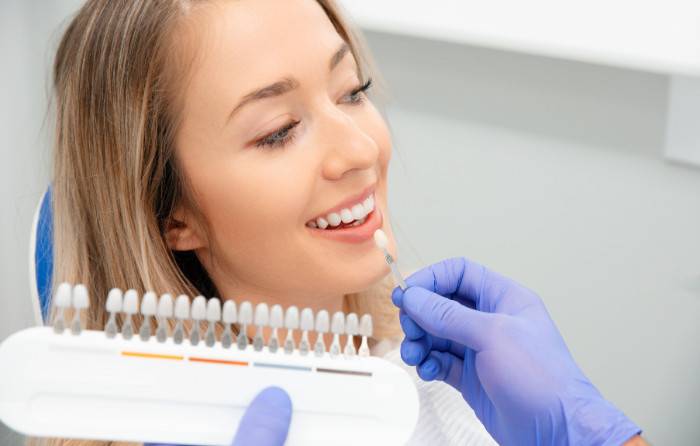
A nearby dental practice offers convenience, continuity of care, and personalized attention. Many patients prefer staying close to home or work because it makes scheduling easier and reduces travel stress.
A trusted Local Dental Office also becomes familiar with a patient’s dental history, which helps improve treatment planning and preventive care. Instead of visiting different clinics each time, patients receive consistent support from professionals who already understand their oral health needs.
For families with children, older adults, or busy work schedules, having a dentist nearby often makes it easier to keep regular appointments and avoid delays in treatment.
Easier Access to Routine Dental Care
Routine dental care includes cleanings, oral exams, X-rays, fluoride treatments, and gum evaluations. These visits help identify problems before they become painful or expensive.
When a dental office is close to home, patients are more likely to attend regular appointments. This helps reduce the risk of:
- Cavities
- Gum disease
- Tooth infections
- Tooth loss
- Bad breath
- Plaque buildup
Preventive care also lowers the chance of needing emergency treatment later. Many dentists recommend checkups every six months because early detection can prevent serious complications.
At Buckeye Dental and Braces, patients receive support for both preventive and restorative care in one location, making dental visits more manageable for individuals and families.
Building Trust With the Same Dental Team
Many people feel nervous about dental visits. Dental anxiety is common among adults and children, especially after painful experiences in the past. Seeing the same dentist regularly helps patients feel more relaxed and comfortable over time.
A trusted dental team learns about a patient’s concerns, preferences, and treatment history. This relationship creates better communication and a more positive experience during appointments.
Patients often appreciate:
- Familiar staff members
- Consistent treatment recommendations
- Clear explanations
- Comfortable office environments
- Honest conversations about costs and procedures
A long-term relationship with a Local Dental Office can improve confidence and encourage better oral care habits at home.
Faster Help During Dental Emergencies
Dental emergencies can happen without warning. Severe tooth pain, broken teeth, swelling, infections, or damaged fillings often require quick treatment.
Having an established relationship with a nearby dentist may help patients receive faster attention during urgent situations. A local office can often provide same-day or next-day appointments depending on availability.
Common dental emergencies include:
- Cracked or chipped teeth
- Sudden toothaches
- Bleeding gums
- Lost crowns or fillings
- Swelling or infection
- Sports-related dental injuries
Quick treatment may prevent complications and reduce discomfort. Patients who already visit a nearby office regularly usually have easier access to emergency guidance and follow-up care.
Better Understanding of Community Needs
A dental practice serving a local community often understands the needs of nearby families, schools, and working professionals. This can improve scheduling flexibility and patient communication.
For example, local practices may offer:
- Family appointment scheduling
- Flexible hours for working adults
- Pediatric dental care
- Orthodontic support for teens
- Preventive education for children
A trusted Local Dental Office may also participate in community events, school programs, or wellness initiatives that encourage better oral health awareness.
Personalized Treatment Plans
Every patient has different dental concerns. Some may need preventive care, while others may require restorative procedures such as fillings, crowns, bridges, or braces.
Personalized treatment planning means the dentist evaluates:
- Dental history
- Gum health
- Bite alignment
- Existing restorations
- Lifestyle habits
- Oral hygiene routines
This approach helps create care plans that fit a patient’s goals and budget rather than offering the same recommendation to everyone.
At Buckeye Dental and Braces, treatment discussions focus on education and informed decisions so patients understand their options clearly.
Benefits for Families

Family dental care allows parents and children to receive treatment in one place. This saves time and simplifies scheduling.
Children who grow up visiting the same dentist often become more comfortable with dental care. Early positive experiences can encourage healthy habits later in life.
Family-focused dental practices may provide:
- Dental cleanings for all ages
- Fluoride treatments
- Sealants for children
- Orthodontic evaluations
- Gum care for adults
- Tooth replacement options for seniors
Parents also benefit from having a dental team that tracks changes in their child’s oral development over time. Patients interested in care for all age groups can learn more about Family Dentistry.
Supporting Long-Term Oral Health
Oral health changes with age. A patient’s needs at age 10 are different from those at age 40 or 70. Regular visits help dentists monitor these changes and recommend timely care.
A trusted Local Dental Office can track patterns such as:
- Teeth grinding
- Gum recession
- Bite changes
- Wear and tear
- Jaw discomfort
- Shifting teeth
Long-term monitoring helps identify concerns early and allows treatment before problems become severe.
Better Communication and Education
Patients often want simple explanations about dental procedures. Good communication improves understanding and reduces confusion about treatment recommendations.
A quality dental office should explain:
- Why treatment is needed
- What happens during the procedure
- Recovery expectations
- Possible alternatives
- Costs and insurance information
When patients understand their oral health, they are more likely to maintain good habits at home.
Helpful home care habits include:
- Brushing twice daily
- Flossing every day
- Drinking water regularly
- Limiting sugary foods and drinks
- Replacing toothbrushes every few months
- Scheduling routine dental visits
These habits support healthier teeth and gums between appointments. Patients can also learn more about Preventative Dentistry and long-term oral care.
Modern Technology Improves Patient Care
Many modern dental offices use updated technology to improve comfort, efficiency, and accuracy.
Examples include:
- Digital X-rays
- Intraoral cameras
- 3D imaging
- Digital impressions
- Electronic records
Digital X-rays use less radiation compared to traditional film X-rays and help dentists identify problems more clearly.
Technology can also improve communication by allowing patients to see images of their teeth during exams.
Cosmetic and Restorative Services in One Place
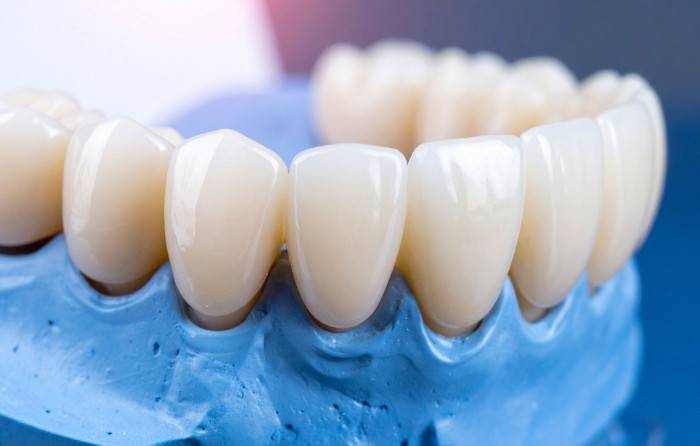
Many patients prefer a dental office that provides multiple services under one roof. This reduces the need for referrals and makes treatment planning easier.
Services may include:
- Teeth whitening
- Veneers
- Dental crowns
- Tooth-colored fillings
- Bridges
- Dentures
- Braces or clear aligners
Having access to several services in one office can save time and improve coordination between treatments.
A reliable Local Dental Office often helps patients maintain both oral function and appearance through preventive and restorative care. Patients considering smile improvements can explore Cosmetic Dentistry and Braces services.
Convenience Encourages Consistent Care
One of the biggest reasons people delay dental visits is inconvenience. Long travel times, difficult scheduling, and unfamiliar providers can discourage routine care.
Choosing a nearby office helps patients:
- Attend appointments more regularly
- Reduce travel time
- Schedule before or after work
- Return easily for follow-up visits
- Manage family appointments more efficiently
Consistent care supports healthier teeth and fewer dental emergencies over time.
What to Look for in a Trusted Dental Office
Choosing the right dentist involves more than location alone. Patients should evaluate several important factors before scheduling an appointment.
Experience and Qualifications
Look for dentists with proper licensing, continuing education, and experience treating different dental conditions.
Friendly Communication
A good dental team answers questions clearly and treats patients respectfully.
Clean and Comfortable Environment
A clean office reflects attention to patient safety and infection control.
Positive Patient Reviews
Online reviews can provide insight into patient experiences and office professionalism.
Range of Services
An office offering preventive, cosmetic, and restorative treatments may better support long-term oral health needs.
Patients can also review available Dentist Services before scheduling a visit.
How Preventive Care Saves Money
Preventive care is often less expensive than major restorative procedures. Small cavities can usually be treated with fillings, while untreated decay may eventually require root canals or tooth extraction.
Routine visits help reduce the likelihood of:
- Advanced gum disease
- Severe infections
- Tooth loss
- Expensive restorative work
Preventive care also reduces missed work or school caused by dental pain and emergencies.
The Role of Oral Health in Overall Wellness
Research continues to show connections between oral health and overall health. Gum disease, also called periodontal disease, is inflammation and infection of the gums and supporting tissues around teeth.
Poor oral health has been linked to conditions such as:
- Heart disease
- Diabetes complications
- Respiratory infections
- Pregnancy complications
Maintaining healthy gums and teeth supports overall wellness and quality of life.
A dependable Local Dental Office helps patients stay proactive about both oral and general health through regular evaluations and preventive care.
Why Patients Choose Buckeye Dental and Braces
Patients often choose Buckeye Dental and Braces because they want consistent care, friendly communication, and convenient access to dental services.
The practice focuses on helping individuals and families feel comfortable while receiving professional dental care in a welcoming setting. From preventive visits to restorative and cosmetic treatments, patients can receive support for many stages of oral health in one location.
People searching online for trusted dental care often value:
- Clear communication
- Flexible scheduling
- Family-friendly care
- Preventive education
- Long-term treatment planning
These factors can make a meaningful difference in maintaining healthy smiles over time. Patients can also explore nearby Locations and Areas We Serve for convenient access to care.
Conclusion
Choosing the right dentist is an important part of protecting long-term oral health. A trusted Local Dental Office provides convenience, personalized care, emergency support, and ongoing guidance for patients of all ages.
Regular dental visits help prevent common problems, support healthier habits, and reduce the need for extensive treatment later. Building a relationship with a nearby dental team also creates comfort and trust over time.
Buckeye Dental and Braces continues to support patients with preventive, restorative, and family dental care designed to help people maintain healthy smiles in every stage of life. Patients who want reliable care close to home can benefit from choosing a practice that values communication, consistency, and patient comfort.
If you have questions about your oral health or it has been a while since your last dental visit, you can book an appointment or contact the team for more information.
Frequently Asked Questions
How often should I visit a dental office?
Most patients should visit the dentist every six months for cleanings and exams. Some people with gum disease or ongoing dental concerns may need more frequent visits.
Why is choosing a local dentist beneficial?
A nearby dental office makes appointments easier to attend and improves access during emergencies. It also helps patients build long-term relationships with their dental team.
What services does a family dental office usually provide?
Family dental offices often provide cleanings, exams, fillings, fluoride treatments, braces, crowns, cosmetic procedures, and preventive care for children and adults.
Can a local dental office handle emergencies?
Many local practices provide emergency appointments for issues such as tooth pain, broken teeth, swelling, or lost fillings.
What should I look for when choosing a dentist?
Patients should consider experience, communication, office cleanliness, patient reviews, treatment options, and scheduling convenience.
Why is preventive dental care important?
Preventive care helps identify problems early, reduces treatment costs, and supports healthier teeth and gums over time.
How does oral health affect overall health?
Poor oral health may contribute to inflammation and has been linked to certain medical conditions such as gum disease, diabetes complications, and heart-related concerns.