Traditional braces use metal brackets and wires to shift teeth over time, while Invisalign uses clear, removable aligners for a nearly invisible fit. Both straighten teeth effectively, but the right choice depends on your age, lifestyle, and budget. Our team at Buckeye Dental and Braces helps patients across Northeast Ohio pick the option that fits their daily routine and smile goals.
Choosing between the two isn’t just about looks. It’s about how each option fits into your work schedule, eating habits, and comfort level with orthodontic care. This guide breaks down the real differences so you can make a confident decision.
Explore our blog here: What Is the Best Dental Clinic Near Avon Lake for Families?
What Are Traditional Braces?
Traditional braces rely on metal or ceramic brackets bonded to each tooth, connected by a thin archwire. The wire applies steady pressure, and your dentist adjusts it every few weeks to guide teeth into place gradually.
This method has been used for decades because it works well for complex bite issues. Severe crowding, large gaps, and jaw alignment problems often respond better to braces than to aligners.
- Fixed to the teeth, so there’s no risk of losing them
- Effective for complicated bite and spacing issues
- Adjustable tension for precise tooth movement
- Available in metal or tooth-colored ceramic brackets
What Is Invisalign?
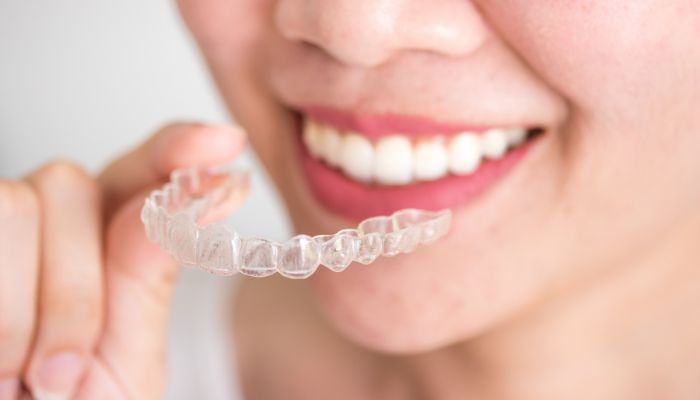
Invisalign uses a series of clear, custom-made aligner trays. Each tray is worn for one to two weeks before switching to the next in the series, gradually moving teeth into alignment.
Because the trays are removable, you can take them out to eat, brush, and floss normally. Many adults and teens prefer this option since the aligners are hard to notice in everyday conversations or photos.
- Removable for eating and cleaning
- Nearly invisible compared to metal brackets
- Fewer in-office adjustment visits
- Best suited for mild to moderate misalignment
Ready to talk it through? Call our Avon office at (440) 581-8423, and our team will walk you through your options.
Traditional Braces vs. Invisalign: Key Differences
Both options move teeth, but they do it in different ways and suit different situations. Here’s how they compare on the things patients ask about most.
| Factor | Traditional Braces | Invisalign |
| Visibility | Noticeable metal or ceramic | Nearly invisible |
| Removability | Fixed in place | Removable trays |
| Best for | Complex bite issues | Mild to moderate cases |
| Diet restrictions | Sticky and hard foods limited | No food restrictions (removed to eat) |
| Maintenance | Special brushing tools needed | Easy to clean, just brush trays |
| Treatment time | Varies, often longer for severe cases | Often shorter for mild cases |
Know More About: What Is Family Dentistry and Why Is It Important?
Orthodontic Treatment and Dental Anxiety
Some patients feel nervous about starting orthodontic treatment, whether it’s fear of discomfort or simply not knowing what to expect. That worry is common, and it shouldn’t stop you from getting the smile you want.
If dental anxiety has kept you or your child from starting treatment, our team takes extra time to explain each step and answer questions before any work begins. A calm, informed patient usually has a much smoother experience.
How Our Dentist Specialist- Buckeye Dental & Braces Team Guides Your Decision
Every mouth is different, so we don’t recommend one option to every patient. During your consultation, our team examines your bite, reviews X-rays, and discusses your daily habits before suggesting a path forward.
For patients with busy social calendars or jobs that involve a lot of public speaking, Invisalign often feels more comfortable. For patients with more involved alignment needs, traditional braces usually deliver faster, more predictable results.
Not sure where to start? Reach out through Contact Us & Get Free Consultation on our website, or call either office directly. We’re happy to answer questions before you commit to a treatment plan.
Cost and Insurance Considerations
Cost is one of the biggest factors in this decision. Traditional braces are generally less expensive than Invisalign, though prices vary based on how complex your case is.
Many dental insurance plans cover a portion of orthodontic treatment for both options, so it helps to check your benefits early. Our front desk team can also walk you through payment plans if that makes the process easier.
- Traditional braces often cost less upfront
- Invisalign pricing depends on case complexity
- Insurance coverage varies by plan and provider
- Flexible payment options are available at our practice
Orthodontic Care as Part of Your Family’s Dental Health
Braces and Invisalign work best when they’re part of a bigger picture of oral health. Regular cleanings, healthy gums, and cavity-free teeth all support successful orthodontic treatment.
Our family dentistry services cover everyone from young children getting their first check-up to adults exploring orthodontic options later in life. Keeping the whole family on a consistent care schedule makes it easier to catch issues before they affect a treatment plan.
Comfort, Maintenance, and Daily Life
When patients come in for a consultation with our Dentist Specialist at Buckeye Dental & Braces, one of the first things we cover is comfort. It plays a bigger role in this decision than most people expect. Metal brackets can cause minor irritation to the cheeks and lips, especially in the first few weeks. Invisalign trays are smoother, though they can feel snug when you switch to a new set.
Maintenance also differs quite a bit. Braces require careful brushing around wires and brackets, along with regular use of floss threaders. Invisalign trays just need a quick rinse and brush, since you remove them to eat and clean your teeth normally.
Read More About: Unlock Your Best Smile With Top Cosmetic Dentistry Services
Who Should Choose Braces? Who Should Choose Invisalign?
Neither option is universally “better.” It comes down to your specific bite, age, and how much you’re willing to adjust your daily habits during treatment.
- Choose traditional braces if: you have significant crowding, bite issues, or you’re a younger patient who may not consistently wear removable trays
- Choose Invisalign if: you have mild to moderate misalignment, want a less visible option, or need flexibility around eating and cleaning
- Ask us if you’re unsure: a short consultation can clear up which path fits your case best
Serving Avon, Avon Lake, North Ridgeville, and Westlake
You can see the full list of communities we serve on our areas we serve page, including Avon Lake and North Ridgeville.
Patients across Northeast Ohio trust our office for orthodontic care, general dentistry, and everything in between. As a trusted dentist in Avon, OH, we proudly serve patients from Avon, Avon Lake, North Ridgeville, Westlake, as well as surrounding communities. Whether you need routine dental care, orthodontic treatment, or personalized smile solutions, our team is here to provide consistent, friendly care close to home.
Supporting Your Smile Before and After Treatment
Orthodontic treatment works best alongside routine preventive care and, for many patients, cosmetic touch-ups once treatment wraps up. Skipping cleanings during braces or Invisalign treatment can lead to staining or cavities that delay your results.
Keeping Gums and Enamel Healthy During Treatment
Our preventative dentistry visits keep your gums and enamel healthy throughout treatment. Skipping these routine check-ups while wearing braces or aligners raises the risk of decay right where you need strong, healthy teeth.
Polishing Your Finished Smile
Once your teeth are aligned, our cosmetic dentistry services can polish your finished smile with whitening or minor touch-ups. It’s a simple way to round out your treatment and enjoy the full result.
Ready to schedule your consultation? Go straight to Book Appointment to reserve a time that works for you.
Frequently Asked Questions
Is Invisalign as effective as traditional braces?
For mild to moderate cases, yes. Severe bite or spacing issues usually respond better to traditional braces for predictable, faster results.
How long does Invisalign treatment take?
Most patients wear aligners for 12 to 18 months, though mild cases can finish sooner depending on how consistently trays are worn.
Do braces hurt more than Invisalign?
Braces can cause more cheek and lip irritation early on. Invisalign feels smoother but may pinch slightly with each new tray.
Can adults get braces or Invisalign?
Yes, both options work well for adults. Many adults prefer Invisalign for its discreet look during work and social settings.
Will insurance cover the cost of treatment?
Many plans cover part of orthodontic treatment for both options. Check your benefits or ask our front desk for help reviewing coverage.
Conclusion
Deciding between traditional braces and Invisalign comes down to your bite complexity, lifestyle, and comfort with removable trays. Both options straighten teeth effectively when paired with consistent care and the right treatment plan. As a Buckeye Dental & Braces patient across Avon, Avon Lake, North Ridgeville, and Westlake relies on, we take time to walk you through the pros and cons before you commit to either path. Understanding these differences now saves you time, money, and frustration later in treatment.
Follow us on Facebook and Instagram for the latest smile tips and dental updates!