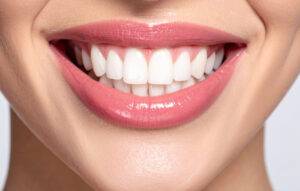
Good oral care affects more than teeth alone. Daily brushing and flossing help at home, but regular visits to Dental Offices remain important because trained dental teams can identify concerns that may not be visible during routine home care. Buckeye Dental and Braces works with patients who want to protect their oral health through steady care, early diagnosis, and practical treatment planning that fits changing needs over time. A healthy mouth often supports easier eating, clearer speech, improved comfort, and fewer problems that grow into larger concerns later.
Oral Health Connects With Overall Health
The condition of the mouth often reflects other health patterns in the body. Gum irritation, untreated decay, and infection may affect comfort, sleep, and eating habits. In some cases, oral inflammation can make other health conditions harder to manage. Regular checkups help monitor these changes before discomfort becomes severe.
A dental visit often includes:
- Review of gum condition
- Examination for early decay
- Bite evaluation
- X-rays when needed
- Discussion of habits affecting oral health
This process helps patients understand where attention is needed before pain begins.

Why Preventive Visits Matter Over Time
Preventive care remains one of the strongest reasons people continue regular appointments. A simple cleaning may remove buildup that daily brushing misses, especially around gumlines and between teeth. Many people search for dental cleaning near me when they notice plaque buildup, sensitivity, or gum bleeding, but regular scheduling often prevents those symptoms from becoming more serious.
Preventive care often includes:
- Removal of plaque and tartar
- Monitoring enamel wear
- Checking old fillings
- Reviewing brushing technique
- Watching gum recession
Small concerns usually cost less time and less treatment when identified early.
Family Dentistry Supports Every Age
Children, adults, and older family members often need different kinds of care during different stages of life. Family dentist in Avon allows one office to track long-term patterns across years, making treatment easier to plan because history remains consistent.
Children often need:
- Cavity monitoring
- Growth observation
- Sealants
- Early bite checks
Adults often need:
- Filling replacement
- Gum monitoring
- Wear evaluation
- Nightguard discussion
Older adults may need:
- Tooth replacement planning
- Denture support
- Bone monitoring
At Buckeye Dental and Braces, family visits help many households keep care organized while building steady habits that continue over time.
Why Gum Health Deserves Attention
Many patients focus on cavities first, but gum health often determines how long natural teeth remain stable. Mild bleeding during brushing may seem minor, yet early inflammation can progress if ignored. People often search for a periodontist near me after gum tenderness becomes frequent, though early dental evaluation often identifies gum concerns before specialist care becomes necessary.
Signs that gums need attention include:
- Redness
- Bleeding
- Swelling
- Persistent bad breath
- Gum recession
When treated early, gum concerns are often easier to control.
Orthodontic Care Affects More Than Appearance
Tooth alignment often changes chewing patterns, cleaning access, and jaw balance. Crowded teeth may trap food more easily, while bite imbalance may increase pressure on certain teeth. Many people search orthodontics near me when spacing changes or crowding becomes noticeable, but orthodontic evaluation can also help prevent uneven wear.
Orthodontic care may help with:
- Bite correction
- Easier brushing
- Better alignment
- Reduced strain on enamel
Straight teeth are often easier to maintain because brushes and floss reach more surfaces effectively.
Cosmetic Dentistry Also Supports Function
Many people think cosmetic treatment only changes appearance, but some procedures also help protect damaged enamel or restore balance. Cosmetic dentistry often includes bonding, whitening, veneers, and reshaping when appearance and function both matter.
Patients often request cosmetic treatment for:
- Chipped teeth
- Staining
- Uneven edges
- Small gaps
In some cases, reshaping a damaged tooth can reduce future wear while improving appearance at the same time.

Tooth Loss Changes Long-Term Oral Stability
Missing teeth affect neighboring teeth, chewing pressure, and jaw support. Over time, nearby teeth may shift into open spaces, creating bite imbalance. Many patients search for dentures near me after noticing difficulty chewing or speaking clearly.
Tooth replacement options may include:
- Partial dentures
- Full dentures
- Bridges
- Implant-supported options
Stable replacement often protects surrounding structures and helps daily eating remain comfortable.
Why Early Treatment Often Means Simpler Care
Waiting until pain begins often leads to larger treatment needs. A small cavity may remain manageable early, but delay can increase the chance of deeper damage. Regular exams help identify:
- Hairline cracks
- Weak fillings
- Early enamel wear
- Hidden decay
This reduces the chance of urgent visits later.
The Role of Consistent Exams in Long-Term Health
One of the strongest long-term advantages of routine care is record comparison. Dentists can compare current images, previous notes, and past treatment areas to identify changes that would otherwise go unnoticed.
This helps monitor:
- Bone levels
- Filling edges
- Bite movement
- Gum attachment
Patients searching for a dentist near me often want quick access, but consistency with one office also improves long-term tracking.
How Dental Offices Help During Life Changes
Life changes often affect oral health habits. Stress, medication changes, pregnancy, diet shifts, and aging can all change oral conditions. Dental Offices often identify these changes early through conversation and examination.
Examples include:
- Dry mouth linked to medication
- Grinding during stress
- Gum sensitivity during hormonal changes
- Increased decay risk from diet changes
Small conversations during visits often reveal useful treatment adjustments.
Buckeye Dental and Braces and Long-Term Patient Support
Buckeye Dental and Braces works with patients who need preventive care, restorative treatment, orthodontic planning, and cosmetic improvement under one care system. This helps patients return for regular review without repeating records across multiple offices.
Internal links that support site structure:
- General dentistry:
- Cosmetic dentistry:
- Orthodontics:
- Family dental care:
When to Schedule Care Instead of Waiting
Many patients delay appointments because there is no pain, but pain usually appears after a problem has progressed further. A practical schedule often prevents larger treatment later.
Consider booking when you notice:
- Cold sensitivity
- Bleeding gums
- Jaw clicking
- Food trapping
- Loose restorations
A quiet issue often stays manageable when addressed early, and Buckeye Dental and Braces can review concerns before they become harder to treat. Patients who want steady oral care often return regularly because small steps now protect comfort later. To review treatment choices or reserve a future visit, contact Buckeye Dental and Braces at (440) 581-8423.
A trusted dental office supports lasting oral health through regular care, while updates shared on Google Business Profile and Facebook help patients stay informed about treatment options and appointment planning.
FAQs:
Q1. How often should I visit a dental office for long-term oral health?
Most patients benefit from visiting a dental office every six months for exams and cleaning. Regular visits help identify cavities, gum changes, and bite concerns before they become larger treatment issues.
Q2. Can dental offices help prevent serious oral problems before pain starts?
Yes, routine checkups often detect early decay, gum inflammation, worn fillings, and enamel damage before pain appears, which helps reduce the chance of more involved treatment later.
Q3. Do dental offices provide care for both children and adults?
Many dental offices offer family dentist services, which means children, adults, and older patients can receive preventive care, restorative treatment, and long-term oral health monitoring in one place
.Q4. Why is regular dental cleaning important even if teeth feel healthy?
Professional cleaning removes plaque and tartar that daily brushing cannot fully remove, helping protect gums, lower cavity risk, and support long-term oral stability