How often should you really go to the dentist?” It’s one of the questions we hear most at Buckeye Dental & Braces, and the honest answer is: it depends on you. Most people have heard the standard advice of a checkup every six months, but that number is really just a starting point. Your ideal visit schedule is shaped by your oral health history, age, lifestyle, and any ongoing treatment. In this guide, we will walk through exactly how often you should go to the dentist, the factors that change that answer, warning signs you should never ignore, and how consistent preventive care protects both your smile and your budget.
Quick Answer: How Often Should You Go to the Dentist?
For most healthy adults and children, the recommended frequency is a checkup and cleaning every six months, or twice a year. However, if you have gum disease, a history of cavities, are pregnant, use tobacco, or are undergoing orthodontic treatment, your dentist may recommend visits every three to four months. This is why how often should you really go to the dentist is best answered by a professional who knows your mouth, not a generic online chart.
Why This Question Matters More Than You Think
Many people put off dental visits because they feel fine. But oral health problems such as cavities, gum disease, and even oral cancer often develop silently long before pain shows up. Skipping checkups does not just risk your teeth, it can affect your entire body. Research consistently links poor oral health to heart disease, stroke risk, and complications with diabetes. Understanding how often you should visit the dentist is not about following an arbitrary rule; it is about catching small problems while they are still simple and inexpensive to treat.
The General Rule: Every Six Months
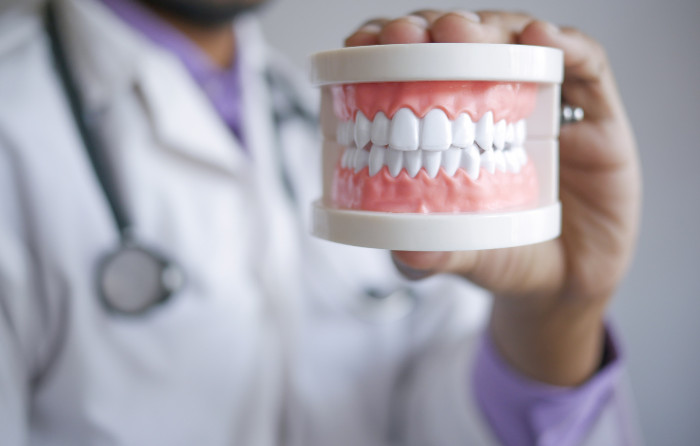
For most healthy patients with no major dental concerns, professional guidelines recommend a checkup and cleaning twice a year. This schedule allows your dental team to:
- Remove plaque and hardened tartar that brushing and flossing cannot reach
- Catch cavities and early decay before they require major treatment
- Screen for gum disease, oral cancer, and other health concerns
- Take X-rays when needed to spot hidden issues below the gumline
- Give you personalized advice on brushing, flossing, and diet
So if you are asking how often should you go to the dentist as a general baseline, twice a year is a safe and reliable answer for the majority of patients. But your own answer may look a little different depending on the factors below.
Factors That Change How Often You Should See a Dentist
Not everyone fits neatly into the six-month box. Several factors can mean you need more frequent visits, and understanding them helps you and your dental team build the right plan together.
1. Your Current Oral Health
If you have a history of cavities, gum disease, or ongoing dental work, your dentist may recommend visits every three to four months instead of six. Patients actively managing gum disease often need more frequent cleanings to keep harmful bacteria under control. This is one of the biggest reasons how often you should go to the dentist is different for every patient, even within the same family.
2. Age and Life Stage
Children benefit from early, regular visits that build healthy habits and allow monitoring of developing teeth. Our family dentistry team makes visits comfortable for kids while giving parents real peace of mind. Teens, busy adults, and seniors managing dry mouth or dentures each have different needs too, which is why a one-size schedule rarely fits an entire household.
3. Smoking and Tobacco Use
Tobacco use significantly increases the risk of gum disease and oral cancer. Smokers and other tobacco users often need more frequent monitoring, sometimes every three to four months, so problems can be caught early rather than after they have progressed.
4. Diet and Lifestyle Habits
A diet high in sugar, frequent snacking, or regularly drinking coffee, tea, or wine can accelerate plaque buildup and staining. If this sounds like you, more frequent cleanings may be worth discussing at your next visit. It is another reminder that how often should you really go to the dentist is a conversation, not a one-time decision you make and forget.
5. Pregnancy
Hormonal changes during pregnancy can increase the risk of gum inflammation and gingivitis. Many dentists recommend an extra cleaning during pregnancy to protect the gums of both mother and baby.
6. Existing Medical Conditions
Conditions such as diabetes, autoimmune disorders, and a weakened immune system can affect healing and increase the risk of gum disease, often requiring more frequent dental checkups and closer monitoring.
7. Orthodontic Treatment
If you or your child are currently wearing braces, regular monitoring visits are essential to keep both the orthodontic treatment and your oral hygiene on track, since brackets and wires make plaque buildup easier and daily cleaning more difficult.
Signs You Need to See a Dentist Sooner Than Scheduled
Regardless of your regular schedule, do not wait for your next appointment if you notice any of the following:
- Persistent tooth pain or sensitivity to hot and cold
- Bleeding, swollen, or receding gums
- Bad breath that does not go away
- A cracked, chipped, or loose tooth
- Jaw pain or clicking when you chew
- Sores or spots in your mouth that do not heal within two weeks
These symptoms are your mouth’s way of asking for help sooner rather than later, and addressing them quickly usually means simpler, less expensive treatment.
Noticing any of these symptoms? Don’t wait it out. Book an appointment with Buckeye Dental & Braces today and get seen by our caring team.
What Happens During a Routine Dental Checkup
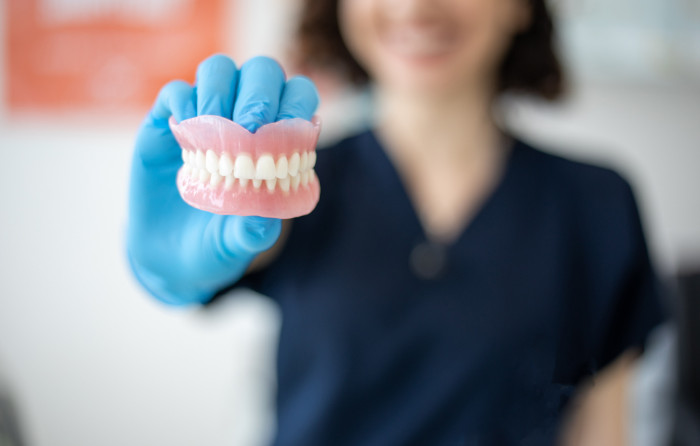
A typical visit to Buckeye Dental & Braces includes a professional cleaning to remove plaque and tartar, a thorough exam of your teeth and gums, digital X-rays when necessary, an oral cancer screening, and a conversation about your at-home care routine. We take the time to walk you through our findings in plain language, so you always understand exactly what is happening in your mouth and why.
Our hygienists start by gently removing plaque and tartar buildup, especially in hard-to-reach spots along the gumline and between teeth. Next, your dentist examines each tooth for signs of decay, cracks, or wear, and checks your bite, jaw, and soft tissue for anything unusual. If X-rays are due, digital imaging lets us see below the surface with minimal radiation exposure. Before you leave, we discuss any findings, answer your questions, and confirm when your next visit should be, whether that is the standard six months or something sooner based on your needs.
How Technology Helps Us Answer This Question More Precisely
Modern dental technology has made it easier than ever to personalize your visit schedule instead of guessing. Digital X-rays, intraoral cameras, and detailed charting allow our team to track subtle changes in your teeth and gums over time. This means we are not just repeating the same six-month recommendation out of habit, we are actively monitoring your specific risk factors and adjusting your plan as your oral health changes. It is one more reason why the honest answer to how often should you go to the dentist is always personalized rather than generic.
Preventive Care: The Best Way to Avoid Bigger Problems
The best answer to how often should you go to the dentist is closely tied to how much you invest in prevention. Our preventative dentistry services are designed to stop problems before they start, saving you time, discomfort, and money in the long run. Combined with good habits at home, brushing twice daily, flossing regularly, and limiting sugary snacks, consistent professional visits remain the single most reliable way to protect your smile for decades to come.
Does Going to the Dentist Regularly Really Save You Money?
Yes. Preventive visits are almost always less expensive than emergency treatment. A routine cleaning and small filling cost far less than a root canal, crown, or extraction caused by a cavity that was left untreated for years. Staying consistent with your visits, rather than waiting until something hurts, is one of the smartest financial decisions you can make for your long-term health.
Beyond Checkups: A Full Range of Dental Services
Buckeye Dental & Braces is more than just a checkup destination. Whether you need general dentist services or are interested in cosmetic dentistry to enhance your smile, our team is here to support your oral health goals at every visit and every stage of life.
Common Myths About Dental Visit Frequency
Myth: “If nothing hurts, I don’t need to go.”
Pain is often one of the last symptoms to appear. Cavities and gum disease can progress significantly before you feel anything.
Myth: “Brushing well means I can skip cleanings.”
Even excellent brushers cannot remove hardened tartar at home. Professional cleanings reach areas your toothbrush simply cannot.
Myth: “Dental visits are the same for everyone.”
As we covered above, how often should you really go to the dentist depends entirely on your individual risk factors, not a fixed universal rule.
Why Choose Buckeye Dental & Braces?
Choosing the right dental home makes it much easier to stay consistent with your visits. Learn more about our practice and meet our experienced team, who take the time to understand your unique needs and build a visit schedule that actually works for your life. We proudly serve patients across the areas we serve, with multiple convenient locations that make quality dental care easy to reach.
Have questions about your ideal visit schedule? Contact our team and we’ll help you find the plan that fits your smile and your life.
Frequently Asked Questions
How often should you really go to the dentist if you have healthy teeth?
If you have no history of cavities or gum disease, a checkup and cleaning every six months is generally sufficient to maintain healthy teeth and gums.
How often should you go to the dentist if you have gum disease?
Patients managing gum disease often need cleanings every three to four months to keep bacteria and inflammation under control.
Can you go to the dentist too often?
For most patients, no. Your dentist will recommend a frequency based on your specific risk factors, and more frequent visits are only suggested when medically necessary.
Do kids need to see the dentist as often as adults?
Yes, children generally follow the same six-month schedule, though your pediatric dentist may adjust this based on tooth development and cavity risk.
What if I have dental anxiety and avoid going regularly?
Many patients delay visits because of anxiety. Our team focuses on gentle, judgment-free care to help every patient feel comfortable, no matter how long it has been since your last visit.
Is it bad if I haven’t been to the dentist in years?
It is never too late to restart. Many patients go years without a visit due to cost, fear, or a busy schedule. Coming back in simply allows us to assess where things stand and build a fresh, realistic plan going forward, without judgment.
Do dental insurance plans usually cover two visits a year?
Most dental insurance plans are built around the standard twice-a-year schedule and cover preventive checkups and cleanings at little to no cost. If you need more frequent visits, our team can help you understand your coverage and any out-of-pocket costs ahead of time.
The Bottom Line
So, how often should you really go to the dentist? For most people, every six months is the right rhythm, but your personal answer depends on your oral health history, lifestyle, age, and any ongoing treatment. The best way to know for sure is to talk with a trusted dental provider who knows your smile.
At Buckeye Dental & Braces, we are committed to helping every patient find their ideal visit schedule and maintain a healthy, confident smile for life. Do not wait for pain to force your hand, take a proactive step today.
Ready to prioritize your smile? Schedule your appointment with Buckeye Dental & Braces, or find and review us on Google here: Buckeye Dental & Braces on Google.