Children’s teeth change quickly, and so do their dental needs. From the first baby teeth to permanent teeth and orthodontic treatment, regular dental care helps parents identify small concerns before they become bigger problems. Some dental issues are related to diet and oral hygiene, while others can be influenced by genetics, tooth development, habits, or the way the teeth and jaws grow.
Parents often wonder what signs they should watch for and when a child should see a dentist. Common concerns include cavities, tooth sensitivity, gum inflammation, enamel problems, dental injuries, bad breath, and alignment issues. Knowing the warning signs can make it easier to seek professional care at the right time.
If your family is looking for a dental team in the Cleveland-area region of Ohio, it is important to choose a practice that provides age-appropriate preventive and family dental care. Buckeye Dental and Braces offers dental services designed to support patients at different stages of life.
1. Tooth Decay and Cavities
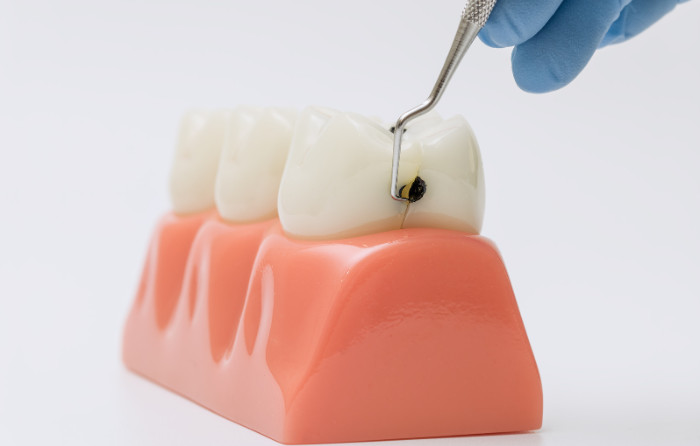
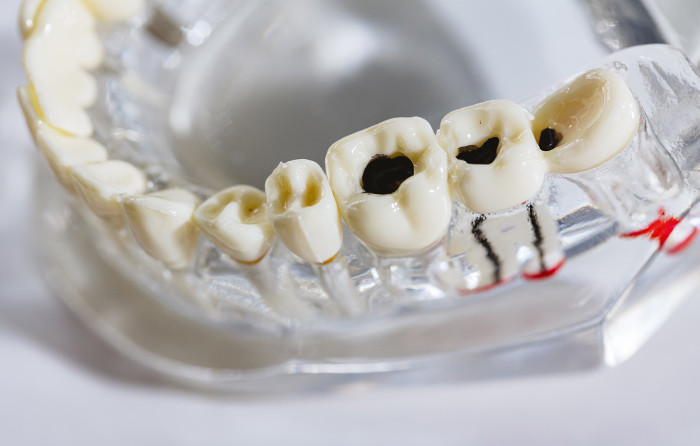
Tooth decay is one of the most common dental problems in children. Cavities develop when bacteria in dental plaque use sugars and starches from food and drinks to produce acids that gradually weaken tooth enamel. Children may be especially vulnerable because their brushing technique may not yet be thorough, and frequent snacks or sweetened beverages can increase the amount of time teeth are exposed to these acids.
Early tooth decay may not cause noticeable pain. As a cavity becomes larger, a child may complain about toothache, sensitivity to hot or cold foods, discomfort while chewing, or food getting stuck in a particular area. A dentist can check for decay during routine examinations and recommend appropriate treatment.
Parents can reduce cavity risk by helping children brush twice a day with fluoride toothpaste, encouraging healthy snacks, limiting sugary drinks, and maintaining regular dental visits. Preventive care is often easier and more comfortable than waiting for a painful cavity to develop.
2. Gum Problems and Gingivitis
Gum inflammation can occur when plaque builds up around the gumline. A child may have red, swollen, tender, or bleeding gums, particularly during brushing or flossing. Occasional bleeding should not simply be ignored, especially when it happens repeatedly.
Consistent brushing and flossing are important for keeping the gumline clean. A professional cleaning may also be recommended when plaque or tartar has accumulated. Parents should tell the dental team about persistent bleeding, swelling, pain, or changes in the appearance of the gums.
3. Tooth Sensitivity
Some children experience sensitivity when eating or drinking something cold, hot, sweet, or acidic. Sensitivity can have several causes, including enamel wear, tooth decay, exposed areas of the tooth, or other dental concerns. Because sensitivity is a symptom rather than a diagnosis, it is best to have persistent discomfort evaluated.
Parents can keep track of when the sensitivity occurs and what triggers it. Sharing these details with the dentist can help identify the possible cause and determine whether additional treatment or changes in oral-care habits are needed.
4. Enamel Development Problems
Enamel is the hard outer layer that protects teeth. Some children develop areas of weak, thin, discolored, or irregular enamel. Developmental enamel problems may make certain teeth more susceptible to sensitivity or decay.
Parents may notice white, yellow, brown, or rough areas on a child’s teeth. These changes can have different causes, so a dental examination is useful before assuming what they mean. A dentist can assess the tooth structure and recommend preventive strategies when appropriate.
5. Dental Injuries and Chipped Teeth
Children are active, and falls, sports, playground accidents, and other impacts can result in chipped, cracked, loosened, or knocked-out teeth. A dental injury should be taken seriously even when a child says the tooth does not hurt.
After an injury, parents should look for bleeding, swelling, changes in tooth position, difficulty biting, or unusual sensitivity. A dentist can determine whether the tooth, surrounding tissues, or developing permanent teeth require attention. Children who participate in contact or high-impact sports may also benefit from an appropriately fitted mouthguard.
6. Bad Breath
Occasional bad breath can happen after waking up or eating certain foods, but persistent bad breath may be associated with plaque buildup, gum problems, dry mouth, poor oral hygiene, or another dental concern. Children may not always recognize the problem themselves, so parents can help by paying attention to changes.
Regular brushing, cleaning the tongue, flossing, drinking water, and professional dental care can help improve oral hygiene. If bad breath continues despite good daily habits, it is worth discussing with a dentist.
7. Crowded, Crooked, or Misaligned Teeth
As children grow, their jaws and teeth go through significant changes. Some children develop crowding, spacing, overbites, underbites, crossbites, or other alignment concerns. These issues can affect appearance, chewing, cleaning, and sometimes speech or jaw comfort.
An early dental evaluation can help parents understand how a child’s teeth and bite are developing. Depending on the situation, a dentist may monitor growth or recommend an orthodontic evaluation. Buckeye Dental and Braces provides access to family dental and orthodontic-related care, including Braces information for patients who may benefit from alignment treatment.
8. Thumb Sucking, Pacifier Use, and Other Oral Habits
Thumb sucking and pacifier use are common in early childhood. When these habits continue for too long or are particularly intense, they can influence the position of the developing teeth and the shape of the bite. The timing and effect vary from child to child.
Parents should avoid shaming a child for a habit. Instead, discuss the habit with the dental team and use positive, age-appropriate strategies. A dentist can explain whether the habit is affecting oral development and whether any intervention is needed.
9. Tooth Grinding and Jaw Discomfort
Some children grind or clench their teeth, especially during sleep. Occasional grinding does not necessarily mean there is a serious problem, but frequent or forceful grinding can contribute to tooth wear, jaw soreness, headaches, or sensitivity.
If a child regularly grinds their teeth, wakes with jaw discomfort, or shows unusual wear on the teeth, parents should mention it during a dental appointment. The dental team can evaluate the teeth and discuss appropriate next steps.
10. Early Tooth Loss and Dental Development Concerns
Baby teeth play an important role in chewing, speaking, and maintaining space for permanent teeth. Losing a baby tooth too early because of decay or injury can sometimes affect the position of neighboring teeth. Conversely, a baby tooth that remains for an unusually long time may also require evaluation.
Routine dental visits allow the dentist to monitor eruption patterns and overall development. If a tooth is lost earlier than expected, parents should ask whether follow-up care is necessary.
How Can Parents Prevent Common Dental Problems?
The best approach to children’s oral health is prevention. Parents can establish simple routines that become lifelong habits.
- Brush twice a day with fluoride toothpaste appropriate for the child’s age.
- Help younger children brush effectively rather than expecting them to do the entire job alone.
- Begin flossing between teeth when neighboring teeth touch.
- Choose water more often and limit frequent sugary drinks and snacks.
- Offer balanced meals and tooth-friendly snacks.
- Schedule routine dental examinations and professional cleanings.
- Use protective mouthguards for appropriate sports activities.
- Encourage children to tell an adult when a tooth hurts or feels different.
- Avoid putting a child to bed with a bottle containing sugary liquids.
- Ask the dental team about fluoride, sealants, and other preventive options when appropriate.
When Should a Child See a Dentist?
A child should not have to wait for severe tooth pain before receiving dental care. Routine visits help identify problems early and allow the dental team to monitor growth and development. Parents should schedule an evaluation if a child has persistent tooth pain, swelling, repeated gum bleeding, sensitivity, a chipped or injured tooth, visible decay, unusual tooth discoloration, or difficulty chewing.
A prompt dental evaluation is especially important when swelling is significant, pain is severe, a tooth has been knocked out or badly displaced, or there are signs of infection. In an urgent situation, Contact the dental office for guidance on the next appropriate step.
What Happens During a Child’s Dental Visit?
A child’s dental appointment may include a review of dental and medical history, an examination of the teeth and gums, an assessment of oral hygiene, and discussion of habits, diet, and development. Depending on age and individual needs, the dentist may recommend professional cleaning, fluoride treatment, dental sealants, imaging, or additional evaluation.
A positive dental experience can help children feel comfortable with future appointments. Parents can support this by using calm, simple language and avoiding frightening descriptions of dental procedures.
Why Preventive Dentistry Matters
Preventive dentistry focuses on reducing the risk of dental disease rather than waiting until a problem becomes painful. Regular examinations can help identify early signs of decay, gum inflammation, enamel concerns, and developing bite issues. Professional cleanings can remove plaque and buildup that are difficult to manage with brushing alone.
Families can learn more about preventive care and available services through Buckeye Dental and Braces. Establishing a consistent dental routine during childhood can make it easier for children to maintain healthy teeth as they grow.
How to Choose a Family Dentist in Ohio
When choosing a dental practice for a child, consider the range of services offered, the practice’s approach to preventive care, appointment convenience, communication style, and whether the team can continue caring for the child as their needs change. Families may also want to review the dentist’s services, team information, patient resources, and available locations before scheduling.
If you are comparing dental providers and searching online for a general contractor Cleveland Ohio, remember that this is a construction-related search term and is not relevant to pediatric dental care. For children’s oral health, use dental-specific searches such as family dentist, children’s dentist, pediatric dental care, preventive dentistry, or dentist near your Ohio community. This distinction helps parents find more relevant healthcare information.
Common Dental Problems and How to Prevent Them
Common Questions Parents Ask
How often should children visit the dentist?
Many children benefit from routine dental visits approximately every six months, but the ideal schedule depends on age, risk factors, oral health, and the dentist’s recommendations.
Are baby teeth really important if they will fall out?
Yes. Baby teeth support chewing and speech and help maintain space for permanent teeth. Keeping them healthy is an important part of a child’s overall oral development.
What should I do if my child has a toothache?
Contact a dental office for advice and an examination. Persistent pain can be a sign of decay, infection, trauma, or another problem that needs professional evaluation.
Can cavities in baby teeth affect permanent teeth?
Untreated dental disease in baby teeth can affect a child’s comfort and oral health, and infection can sometimes affect developing permanent teeth. Early evaluation and treatment are important.
Can children get braces?
Yes. Some children may benefit from orthodontic evaluation while their teeth and jaws are developing. The appropriate timing depends on the child’s individual growth and dental needs.
A Simple Daily Dental Routine for Children
A practical routine can make oral care easier for children. In the morning, brush with fluoride toothpaste. During the day, encourage water and balanced meals while limiting frequent sugary snacks and drinks. At night, brush again and clean between teeth where appropriate. Parents should supervise or assist younger children so that brushing is thorough.
Consistency matters more than perfection. Making oral hygiene part of the same morning and bedtime routines every day can help children develop habits they can carry into adulthood.
Take the Next Step Toward a Healthier Smile
Children’s dental problems are often easier to manage when they are identified early. Cavities, gum inflammation, sensitivity, enamel concerns, injuries, bite problems, and oral habits can all benefit from timely attention. Parents do not need to diagnose a problem at home; the goal is to recognize warning signs and schedule professional care when something seems unusual.
Buckeye Dental and Braces can be a resource for families looking for dental care, preventive services, Family Dentistry, and orthodontic information. If your child is due for a checkup or you have noticed a dental concern, consider scheduling an appointment rather than waiting for symptoms to become more serious.
Call to action: Ready to schedule your child’s dental visit? Book an Appointment with Buckeye Dental and Braces and take the next step toward maintaining a healthy, confident smile.