Healthy Teeth Start With Daily Care
A healthy smile affects more than appearance. Teeth and gums play a major role in eating, speaking, and overall comfort. Many people deal with tooth pain, bleeding gums, bad breath, or sensitivity without knowing the cause. In most cases, these issues begin with small habits that build up over time.
Understanding each Dental Problem early can help prevent expensive treatments and long-term oral health concerns. Some conditions develop slowly without pain, which is why regular dental checkups and home care are important.
Common Questions Patients Ask About Dental Health
- Why do cavities happen even after brushing?
- What causes gum bleeding?
- Is tooth sensitivity serious?
- How can dental issues be prevented naturally?
- When should someone visit a dentist?
This guide explains common oral health issues in simple language and shares practical ways to reduce the risk of future problems.
Tooth Decay and Cavities
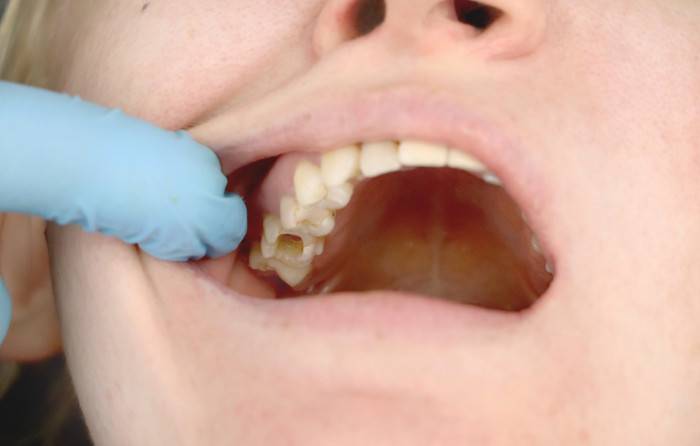
Tooth decay is one of the most common dental concerns for children, teens, and adults. A cavity forms when bacteria in the mouth produce acid that slowly damages tooth enamel. Enamel is the hard outer layer that protects teeth.
Sugary foods, frequent snacking, poor brushing habits, and skipping dental visits increase the risk of decay.
Common Signs of Cavities
- Tooth pain while eating
- Sensitivity to hot or cold drinks
- Dark spots on teeth
- Food getting stuck in certain areas
- Pain when biting down
Some cavities develop without symptoms in the beginning. That is why routine dental exams are important.
How to Prevent Tooth Decay
Brush teeth twice daily using fluoride toothpaste. Fluoride helps strengthen enamel and reduces acid damage. Floss once a day to clean areas between teeth where a toothbrush cannot reach.
Limit sugary snacks and soft drinks, especially before bedtime. Drinking water after meals also helps wash away food particles and acids.
Routine visits for Preventative Dentistry help reduce plaque buildup and support healthier smiles.
Gum Disease and Bleeding Gums
Gum disease begins when plaque collects along the gumline. Plaque is a sticky layer of bacteria that forms on teeth throughout the day. If it is not removed properly, gums may become swollen and irritated.
Early gum disease is called gingivitis. It often causes redness, swelling, and bleeding during brushing. Advanced gum disease is known as periodontitis, which may lead to bone loss and loose teeth.
Warning Signs of Gum Problems
- Bleeding while brushing or flossing
- Swollen or tender gums
- Persistent bad breath
- Receding gums
- Loose teeth
Many people ignore gum bleeding, assuming it is normal. Healthy gums should not bleed during daily cleaning.
Ways to Protect Gum Health
Daily flossing helps remove plaque from areas near the gums. Professional dental cleanings are also important because hardened plaque, called tartar, cannot be removed with brushing alone.
Smoking and tobacco use increase the risk of gum infections and slow healing. Drinking enough water and eating foods rich in vitamin C may also support healthier gums.
Managing this type of Dental Problem early reduces the risk of tooth loss later.
Tooth Sensitivity

Tooth sensitivity causes discomfort when eating cold foods, drinking hot beverages, or breathing in cold air. This happens when the protective enamel becomes thinner or when gums pull away from the tooth surface.
Sensitive teeth may also result from:
- Teeth grinding
- Aggressive brushing
- Cracked teeth
- Gum recession
- Tooth decay
Simple Steps for Sensitive Teeth
Use a soft-bristled toothbrush and avoid brushing too hard. Sensitive toothpaste may help reduce discomfort over time.
Acidic drinks like soda, sports drinks, and citrus juices can weaken enamel if consumed often. Reducing acidic foods may lower sensitivity.
If sensitivity becomes severe or sudden, a dental exam is recommended because it could point to a deeper Dental Problem such as infection or decay.
Bad Breath and Oral Bacteria
Bad breath, also called halitosis, affects many adults and teenagers. Temporary bad breath after certain foods is common, but ongoing odor may indicate bacteria buildup or gum disease.
Food particles trapped between teeth can mix with bacteria and create unpleasant smells. Dry mouth can also contribute because saliva helps clean the mouth naturally.
Common Causes of Bad Breath
- Poor brushing habits
- Gum disease
- Dry mouth
- Smoking
- Tooth infections
- Dirty tongue surface
How to Keep Breath Fresh
Brush the tongue gently every day because bacteria often collect there. Drinking water throughout the day helps prevent dry mouth.
Chewing sugar-free gum may increase saliva flow. Routine dental visits also help identify hidden issues causing bad breath.
Persistent odor should not be ignored because it may signal a deeper Dental Problem needing treatment.
Teeth Grinding and Jaw Pain
Teeth grinding, known as bruxism, often happens during sleep. Some people grind their teeth because of stress, anxiety, or bite alignment issues.
Over time, grinding may wear down enamel, create headaches, and cause jaw pain.
Symptoms of Teeth Grinding
- Morning headaches
- Jaw soreness
- Worn or flattened teeth
- Clicking sounds in the jaw
- Tooth sensitivity
Prevention and Treatment Options
Stress management may help reduce nighttime grinding. Some patients benefit from wearing a custom nightguard during sleep.
Avoid chewing ice, pens, or hard objects because they increase pressure on teeth.
Regular dental evaluations can identify early damage before this Dental Problem becomes more serious.
Tooth Infections and Abscesses
A tooth infection happens when bacteria enter the inner part of the tooth called the pulp. The pulp contains nerves and blood vessels.
Untreated cavities, cracks, or trauma can allow bacteria to spread deeper inside the tooth.
Signs of a Tooth Infection
- Severe tooth pain
- Swelling near the gums
- Pain while chewing
- Fever
- Bad taste in the mouth
- Swollen face or jaw
Dental infections should never be ignored because they can spread beyond the tooth.
Preventing Dental Infections
Treat cavities early before they worsen. Wearing a mouthguard during sports can also reduce injuries that expose teeth to bacteria.
Regular exams allow dentists to detect problems before infection develops.
Prompt treatment is important whenever signs of infection appear.
Crooked Teeth and Bite Problems
Crooked teeth may affect appearance, speech, and cleaning habits. When teeth overlap or sit unevenly, plaque becomes harder to remove.
Bite problems can also place uneven pressure on the jaw and teeth.
Common Bite Issues
- Overbite
- Underbite
- Crowded teeth
- Gaps between teeth
- Crossbite
Benefits of Orthodontic Care
Straight teeth are easier to clean and may lower the risk of cavities and gum disease. Braces and clear aligners help improve alignment over time.
Buckeye Dental and Braces offers orthodontic evaluations to help patients understand treatment options based on age and dental needs, including braces
Addressing alignment concerns early may prevent future Dental Problem complications related to chewing and oral hygiene.
Dry Mouth and Saliva Problems
Saliva helps wash away bacteria and food particles. When the mouth becomes too dry, the risk of cavities and gum disease increases.
Dry mouth may happen because of:
- Certain medications
- Smoking
- Dehydration
- Breathing through the mouth
- Medical conditions
How to Reduce Dry Mouth
Drink water regularly throughout the day. Limit alcohol and caffeine because they can make dryness worse.
Sugar-free gum or lozenges may help stimulate saliva production.
Patients with ongoing dryness should discuss symptoms with a dentist because long-term dry mouth may increase the risk of tooth decay.
The Importance of Preventive Dental Visits
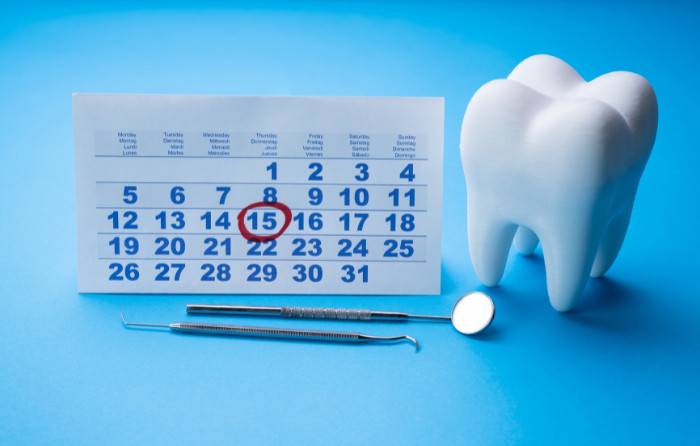
Many dental conditions are easier and less expensive to treat when detected early. Preventive care focuses on stopping problems before they become severe.
Professional cleanings available through family dentistry services remove plaque and tartar from hard-to-reach areas. Dental exams may also identify early signs of cavities, gum disease, oral cancer, and bite problems.
What Happens During a Routine Dental Visit?
A regular dental appointment may include:
- Oral examination
- Teeth cleaning
- X-rays if needed
- Gum health evaluation
- Discussion about home care habits
These visits help patients stay informed about changes in their oral health.
Seeing a dentist every six months is recommended for many people, although some patients may need more frequent care depending on their condition.
Daily Habits That Support Strong Teeth
Simple routines make a major difference over time. Preventive habits are often more effective and affordable than waiting for pain or damage.
Healthy Dental Habits
- Brush for two minutes twice daily
- Floss every evening
- Replace toothbrushes every three months
- Drink more water instead of sugary beverages
- Wear a mouthguard during sports
- Avoid smoking and tobacco products
- Visit the dentist regularly
Consistency matters more than perfection. Small improvements in daily care can lower the chance of future oral health issues.
Children and Dental Care
Children also face common dental concerns such as cavities, thumb sucking effects, and early alignment issues.
Teaching good habits early helps children develop stronger oral hygiene routines as they grow.
Parents should supervise brushing until children can clean properly on their own.
Tips for Protecting Children’s Teeth
- Avoid sending children to bed with sugary drinks
- Encourage water after snacks
- Schedule regular dental checkups
- Use fluoride toothpaste in small amounts
- Limit sticky candies and sugary snacks
Early dental visits also help children become comfortable in a dental office setting.
How Diet Affects Oral Health
Food choices play a direct role in tooth and gum health.
Sugary foods feed harmful bacteria in the mouth. Acidic drinks may weaken enamel over time.
Foods rich in calcium, phosphorus, and vitamins help support stronger teeth.
Tooth-Friendly Foods
- Cheese and yogurt
- Leafy greens
- Apples and carrots
- Nuts
- Water
Crunchy fruits and vegetables may help clean tooth surfaces naturally while increasing saliva production.
Balanced eating habits support both oral health and overall wellness.
When to Schedule a Dental Appointment
Some symptoms should not wait for a routine visit.
Schedule a dental exam if you notice:
- Persistent tooth pain
- Swollen gums
- Bleeding that continues regularly
- Loose teeth
- Jaw discomfort
- Broken or chipped teeth
- Ongoing bad breath
Early treatment often prevents more complicated procedures later.
Protect Your Smile Before Problems Get Worse
Dental issues rarely improve on their own. Small symptoms can turn into larger concerns when treatment is delayed.
Buckeye Dental and Braces provides preventive care, routine cleanings, exams, braces, and restorative treatments for patients of all ages. Whether you are dealing with tooth pain, gum concerns, or overdue checkups, the team focuses on comfortable care and long-term oral health.
Booking a dental visit now may help prevent future discomfort, unexpected costs, and more serious dental complications.
Frequently Asked Questions
What is the most common dental issue?
Tooth decay is one of the most common oral health conditions worldwide. Cavities can affect children and adults when plaque and bacteria damage tooth enamel.
Why do gums bleed during brushing?
Bleeding gums are often linked to plaque buildup and early gum disease. Regular flossing and professional cleanings may help improve gum health.
How often should teeth be cleaned professionally?
Most people benefit from dental cleanings every six months. Some patients with gum disease or other concerns may need more frequent visits.
Can tooth sensitivity go away?
Mild sensitivity may improve with sensitive toothpaste and better brushing habits. Severe or sudden pain should be evaluated by a dentist.
What foods are bad for teeth?
Sugary snacks, soda, sticky candies, and acidic drinks may increase the risk of cavities and enamel damage.
Is bad breath always caused by poor brushing?
Not always. Gum disease, dry mouth, infections, and certain foods may also contribute to bad breath.
Why are regular dental checkups important?
Routine visits help detect problems early before they become painful or expensive. Preventive care also supports healthier teeth and gums over time.
Final Thoughts
Oral health problems often begin quietly, but small warning signs should not be ignored. Cavities, gum disease, sensitivity, and infections can affect daily comfort, confidence, and overall health.
Preventive care, healthy habits, and regular dental visits help reduce the risk of serious dental concerns. Taking action early may save time, discomfort, and future treatment costs.
Contact us supports patients with preventive care and treatment options designed to help maintain healthier smiles at every stage of life.